
Do Air Purifiers Remove Nitrogen Dioxide? Essential Guide

Yes, some air purifiers can remove nitrogen dioxide, but it depends heavily on the type of filter they use. HEPA filters are ineffective against NO2, while activated carbon filters are crucial for its removal.
Do Air Purifiers Remove Nitrogen Dioxide? Your Essential Guide
Breathing clean air indoors is a growing concern for many, and a common question arises: do air purifiers remove nitrogen dioxide (NO2)? NO2 is a harmful gas that often stems from combustion sources like traffic, gas stoves, and heaters. Understanding how air purifiers tackle this specific pollutant is key to ensuring a healthier home environment. This guide will break down exactly how air purifiers work with NO2 and what you should look for.
What is Nitrogen Dioxide and Why Should You Care?
Nitrogen dioxide is a reddish-brown gas that’s a significant component of air pollution, particularly in urban areas. It’s primarily produced by the burning of fossil fuels at high temperatures. Common indoor sources include unvented gas stoves, fireplaces, and even attached garages where vehicles idle. High levels of NO2 can irritate airways, worsen asthma and other respiratory conditions, and contribute to the formation of ground-level ozone and fine particulate matter.
How Air Purifiers Work: A General Overview
Air purifiers work by drawing in the air from a room, passing it through a series of filters, and then releasing cleaner air back into the environment. Different types of filters target different pollutants. Mechanical filters, like HEPA filters, are excellent at capturing physical particles such as dust, pollen, and pet dander. However, they are generally not effective against gases and volatile organic compounds (VOCs).
Do HEPA Filters Remove Nitrogen Dioxide?
HEPA (High-Efficiency Particulate Air) filters are designed to trap airborne particles. They are incredibly effective at removing things like dust mites, mold spores, and pollen, which are all solid or semi-solid. Because nitrogen dioxide is a gas, it’s too small to be caught by the physical mesh of a HEPA filter. Therefore, a HEPA filter alone will not remove NO2 from your air.
The Role of Activated Carbon in Removing NO2
Activated carbon, also known as activated charcoal, is a porous material that is highly effective at adsorbing gases and odors. This adsorption process involves gas molecules sticking to the surface of the carbon. The vast surface area of activated carbon, created through a special activation process, allows it to trap a wide range of gaseous pollutants, including nitrogen dioxide.
How Activated Carbon Filters Trap NO2
When air containing nitrogen dioxide passes through an activated carbon filter, the NO2 molecules come into contact with the carbon’s surface. Due to chemical and physical forces, the NO2 molecules bind to the carbon, effectively removing them from the airstream. The more activated carbon a purifier contains, and the longer the air is in contact with it (often referred to as dwell time), the more effective it will be at removing NO2.
What to Look For: Air Purifiers with Activated Carbon
When shopping for an air purifier to combat nitrogen dioxide, prioritize models that explicitly state they have a substantial activated carbon filter. Look for descriptions like “heavy-duty activated carbon,” “large carbon filter,” or “carbon pre-filter” in addition to a HEPA filter. A simple, thin carbon layer might not be sufficient for significant NO2 reduction.
Beyond NO2: Other Gases Activated Carbon Filters Tackle
Activated carbon filters are versatile and can remove a broad spectrum of gaseous pollutants. This includes other harmful gases like formaldehyde, benzene, and VOCs emitted from cleaning products, paints, and furnishings. They are also excellent at eliminating common household odors from cooking, pets, and smoke.
Comparing Air Purifier Technologies for NO2 Removal
While activated carbon is the primary technology for NO2 removal in most air purifiers, other technologies exist. Ionizers and UV-C lights are common but do not effectively remove NO2. Some purifiers might incorporate specialized catalytic converters, but these are less common in typical home units and are more complex. For NO2, the activated carbon filter remains the most accessible and proven solution.
How Much Activated Carbon is Enough?
The effectiveness of an activated carbon filter in removing nitrogen dioxide depends on its quantity and quality. A thicker, heavier carbon filter will generally perform better and last longer than a thin, light one. Manufacturers often specify the weight of the carbon used, or the type of carbon bed (e.g., granular vs. impregnated). A carbon filter weighing several pounds is typically more robust than one weighing just a few ounces.
Maintaining Your Air Purifier for Optimal NO2 Removal
To ensure your air purifier continues to effectively remove nitrogen dioxide, regular maintenance is crucial. Activated carbon filters become saturated over time and lose their adsorptive capacity. You will need to replace the carbon filter according to the manufacturer’s recommendations, typically every 6-12 months, depending on air quality and usage.
Frequently Asked Questions About Air Purifiers and Nitrogen Dioxide
Can any air purifier remove NO2?
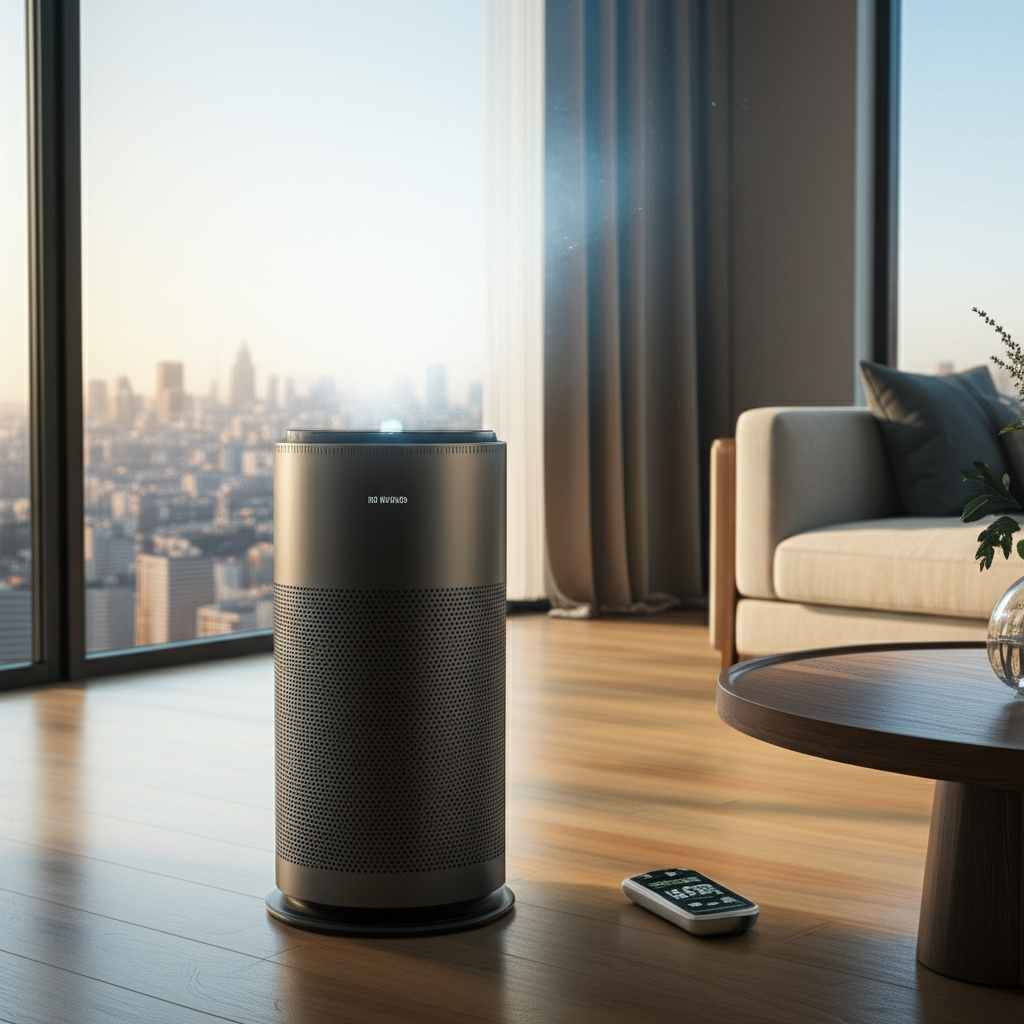
No, not all air purifiers can effectively remove nitrogen dioxide. Only those equipped with substantial activated carbon filters are capable of adsorbing this gaseous pollutant.
How quickly can an air purifier reduce NO2 levels?
The speed at which an air purifier reduces NO2 levels depends on the purifier’s capacity, the amount of activated carbon, the room size, and the ongoing source of NO2. With continuous operation, noticeable reductions can occur within hours.
Are air purifiers with activated carbon safe?
Yes, air purifiers with activated carbon filters are generally very safe. They work by trapping pollutants and do not produce harmful byproducts.
How often do I need to replace the activated carbon filter?
Replacement frequency varies, but typically ranges from 6 to 12 months. Always check your manufacturer’s manual for specific guidance.
Can an air purifier eliminate NO2 from traffic pollution?
Yes, if the air purifier has a robust activated carbon filter, it can help reduce NO2 that enters your home from nearby traffic.
What’s the difference between activated carbon and a HEPA filter?
A HEPA filter captures physical particles like dust and pollen, while an activated carbon filter adsorbs gases and odors like NO2. Many purifiers use both.
Conclusion: Choosing the Right Air Purifier for NO2 Control
In summary, to effectively remove nitrogen dioxide from your indoor air, you absolutely need an air purifier equipped with a high-quality, substantial activated carbon filter. While HEPA filters are essential for particle removal, they are ineffective against gases like NO2. By prioritizing air purifiers with robust activated carbon components and maintaining them properly with regular filter replacements, you can significantly improve your indoor air quality and breathe easier, knowing you’re tackling harmful gases like nitrogen dioxide.


