
Do Air Purifier Work In Houses: Proven Health Benefits

Yes, air purifiers absolutely work in houses to improve indoor air quality and offer significant health benefits by removing pollutants like allergens, dust, smoke, and VOCs, leading to a healthier living environment.
Is the air in your home feeling a bit stuffy or causing you to sneeze more than usual? You’re not alone. Many of us wonder, “Do air purifiers work in houses?” The answer is a resounding yes, and understanding how they function and the proven health benefits they offer can transform your living space into a sanctuary of cleaner air. Let’s explore how these devices can make a real difference in your home’s atmosphere.
Do Air Purifiers Actually Work in Houses? The Science Behind Cleaner Air
Air purifiers are designed to remove airborne contaminants from your indoor environment. They draw in air, pass it through a series of filters, and then release cleaner air back into the room. This process effectively captures particles like dust, pollen, pet dander, mold spores, and even microscopic pollutants that can impact your health.
How Air Purifiers Capture Pollutants
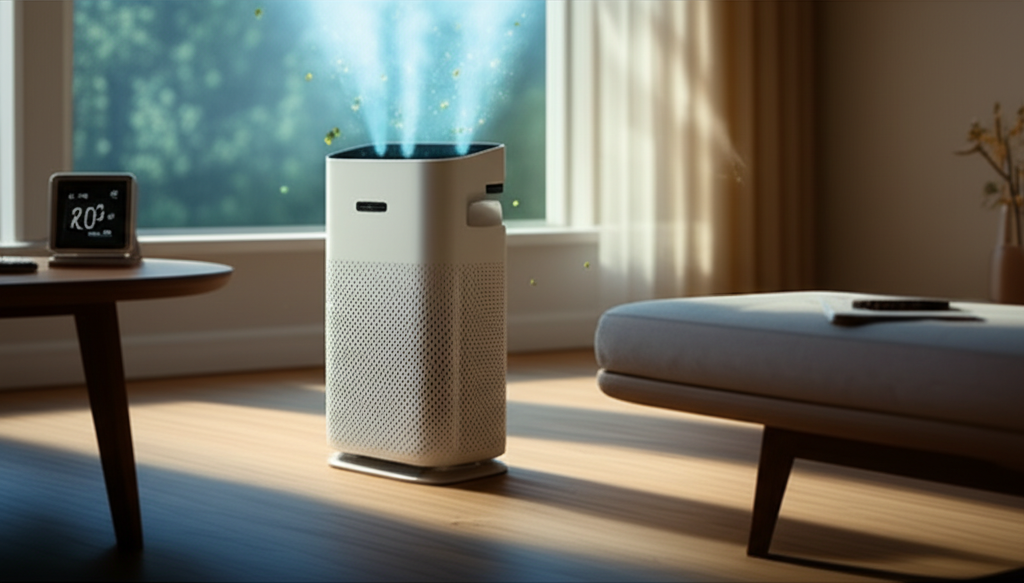
The effectiveness of an air purifier hinges on its filtration system. Most utilize a multi-stage approach to tackle different types of pollutants. The most common and effective filter type is the High-Efficiency Particulate Air (HEPA) filter, which is certified to capture at least 99.97% of airborne particles 0.3 microns in size. Other filters, like activated carbon, are excellent at adsorbing odors and gases.
The Role of HEPA Filters
HEPA filters are the workhorses of air purification. They are made from a dense mat of fibers that trap particles through impaction, interception, and diffusion. This means that even the smallest irritants that can trigger allergies or asthma are caught before they can recirculate in your home.
Activated Carbon for Odors and Gases
Beyond particle filtration, many air purifiers incorporate activated carbon filters. These porous materials act like sponges, absorbing volatile organic compounds (VOCs), smoke, cooking odors, and pet smells. This is crucial for removing invisible pollutants that can cause headaches and respiratory issues.
Understanding Air Changes Per Hour (ACH)
A key metric for judging an air purifier’s effectiveness in a specific room is the Air Changes Per Hour (ACH) rating. This indicates how many times the purifier can clean the entire volume of air in a room within one hour. A higher ACH means faster and more thorough air cleaning, which is especially beneficial for larger spaces or those with significant pollution.
Choosing the Right ACH for Your Space
For optimal results, especially for allergy or asthma sufferers, aiming for an ACH of 4 or 5 is recommended. This ensures that the air is being cleaned frequently enough to make a noticeable difference in airborne pollutant levels. Always check the manufacturer’s recommendations for room size coverage.
The Impact of Air Purifier Placement
Where you place your air purifier significantly affects its performance. For maximum efficiency, position it in the room where you spend the most time, such as the bedroom or living room. Ensure there’s adequate space around the unit for unobstructed airflow, allowing it to effectively draw in and expel air.
Optimizing Airflow for Best Results
Avoid placing air purifiers in tight corners or behind furniture. Allowing at least a foot of clearance on all sides will help the device function at its best. Some models are designed for specific areas, like portable units for bedrooms or larger ones for open-plan living spaces.
Proven Health Benefits of Using Air Purifiers at Home
The primary reason people invest in air purifiers is for their tangible health benefits. By reducing exposure to indoor air pollutants, these devices can lead to a healthier and more comfortable living environment. The impact can be profound, especially for vulnerable populations.
Reducing Allergy Symptoms
For allergy sufferers, indoor air can be a constant battleground of pollen, dust mites, pet dander, and mold spores. Air purifiers effectively capture these allergens, significantly reducing their presence in the air. This can lead to fewer sneezing fits, less itchy eyes, and easier breathing, providing much-needed relief.
A Breath of Fresh Air for Allergy Sufferers
Studies have shown that using air purifiers can decrease the concentration of allergens in the home by up to 50%. This reduction directly translates to fewer triggers for allergic reactions, making your home a more comfortable sanctuary during peak allergy seasons.
Alleviating Asthma Symptoms
Asthma is often triggered by airborne irritants. Air purifiers help by removing these triggers, such as dust, pet dander, and smoke particles, from the air. This can lead to a reduction in the frequency and severity of asthma attacks, improving overall respiratory health and quality of life.
Creating an Asthma-Friendly Home Environment
The EPA recommends air purifiers with HEPA filters as a key component of an asthma management plan. By consistently cleaning the air, these devices help maintain lower levels of irritants, contributing to a more stable respiratory system and fewer emergency room visits.
Improving Sleep Quality
Breathing cleaner air, especially during sleep, can have a dramatic impact on sleep quality. By reducing congestion, coughing, and other respiratory discomforts caused by poor air quality, air purifiers can help you achieve deeper, more restful sleep. This leads to increased energy levels and improved cognitive function during the day.
The Link Between Air Quality and Restful Sleep
When your airways are clear and you’re not struggling to breathe, your body can focus on restorative sleep. The absence of allergens and irritants means less nighttime waking and a more consistent sleep cycle, contributing to overall well-being.
Removing Harmful VOCs and Gases
Many household items, from cleaning products and furniture to air fresheners and paints, release volatile organic compounds (VOCs) and other harmful gases. These can contribute to headaches, nausea, and long-term health problems. Air purifiers with activated carbon filters are specifically designed to capture these chemical pollutants.
Protecting Your Home from Invisible Threats
The EPA highlights that indoor air can be two to five times more polluted than outdoor air. Air purifiers with activated carbon act as a crucial line of defense against these invisible threats, creating a safer breathing environment within your home.
Reducing the Spread of Airborne Illnesses
While not a substitute for hygiene practices, air purifiers can help reduce the concentration of airborne viruses and bacteria. By capturing these pathogens, they can play a role in limiting the spread of common colds, flu, and other respiratory illnesses within a household, especially in shared spaces.
A Proactive Approach to a Healthier Home
The ability of HEPA filters to capture tiny particles means they can trap airborne germs. This added layer of protection can be particularly valuable during cold and flu season, helping to keep your family healthier.
Types of Air Purifiers and Their Technologies
Choosing the right air purifier depends on your specific needs and the types of pollutants you’re trying to combat. Different technologies offer varying levels of effectiveness and address different concerns.
HEPA Air Purifiers
As mentioned, HEPA filters are the gold standard for capturing particulate matter. True HEPA filters meet strict standards for particle removal. They are excellent for allergies, asthma, and general dust reduction.
Pros and Cons of HEPA Filters
Pros: Highly effective at removing allergens, dust, pet dander, and mold spores. Certified performance ensures reliability.
Cons: Require regular filter replacement, which can add to ongoing costs. Not as effective at removing gases and odors unless paired with other filter types.
Activated Carbon Air Purifiers
These purifiers use a bed of activated carbon to adsorb gases, odors, and VOCs. They are often combined with HEPA filters for comprehensive air cleaning.
Pros and Cons of Activated Carbon Filters
Pros: Excellent at removing unpleasant smells, smoke, and chemical fumes. Helps neutralize airborne toxins.
Cons: The carbon can become saturated over time and requires replacement. Less effective against solid particles.
Ionizers and Ozone Generators
Ionizers release negative ions into the air, which attach to airborne particles, causing them to clump together and fall to the floor or be attracted to collection plates. Ozone generators produce ozone to neutralize odors and pollutants.
Considerations for Ionizers and Ozone
Ionizers: While effective at particle removal, some ionizers can produce small amounts of ozone, which is a lung irritant. Look for ozone-free models.
Ozone Generators: These are generally not recommended for home use by health organizations like the EPA due to the potential health risks associated with ozone inhalation.
UV-C Light Air Purifiers
These purifiers use ultraviolet germicidal irradiation (UV-C) light to kill airborne bacteria, viruses, and mold spores. They are often used in conjunction with HEPA and carbon filters.
Effectiveness and Safety of UV-C Lights
UV-C light can be effective against microorganisms, but its effectiveness depends on the exposure time and intensity. Ensure the UV-C lamp is adequately shielded to prevent direct exposure.
Choosing the Right Air Purifier for Your Home
Selecting the best air purifier involves considering several factors to ensure it meets your household’s needs and effectively tackles your specific air quality concerns.
Assessing Your Indoor Air Quality Needs
Start by identifying the primary pollutants in your home. Are you dealing with allergies, pet dander, smoke, or general dust? Understanding your main concerns will guide you toward the most suitable type of purifier and filter combination.
Common Indoor Air Pollutants and Their Sources
Dust Mites: Found in bedding, carpets, and upholstery.
Pet Dander: Microscopic skin flakes from animals.
Pollen: Enters from outdoors.
Mold Spores: Can grow in damp areas.
VOCs: Released from cleaning products, furniture, paints.
Smoke: From cooking, fireplaces, or tobacco.
Key Features to Look For
True HEPA Filter: Essential for capturing fine particles.
Activated Carbon Filter: For odors and gases.
CADR Rating: Clean Air Delivery Rate indicates how quickly the purifier cleans a room.
Room Size Coverage: Ensure the purifier is rated for the square footage of your space.
Noise Level: Important for bedrooms or living areas.
Energy Efficiency: Look for ENERGY STAR certified models.
Understanding CADR Ratings
The Clean Air Delivery Rate (CADR) is a standardized measure of how effectively an air purifier removes specific pollutants: smoke, dust, and pollen. A higher CADR means the purifier works faster. It’s crucial to match the CADR to the size of your room for optimal performance.
Matching CADR to Room Size
Small Rooms (100-150 sq ft): CADR of 100+
Medium Rooms (150-250 sq ft): CADR of 150+
Large Rooms (250-350 sq ft): CADR of 200+
Maintenance and Filter Replacement
Air purifiers require ongoing maintenance to remain effective. This primarily involves cleaning pre-filters and replacing HEPA and carbon filters according to the manufacturer’s schedule. Neglecting this can significantly reduce the unit’s performance and even lead to secondary pollution.
The Importance of Regular Filter Changes
Filters have a limited lifespan. Once they are saturated with pollutants, they can no longer effectively clean the air and may even release trapped particles back into the room. Always follow the recommended replacement intervals, typically every 6-12 months for HEPA filters.
Do Air Purifiers Work in Houses with Pets?
Yes, air purifiers are incredibly beneficial for homes with pets. They are highly effective at capturing pet dander, which is a common allergen that can trigger respiratory issues. Additionally, they help neutralize pet odors, making your home smell fresher.
Targeting Pet Dander and Odors
The microscopic dander shed by cats and dogs is a primary culprit behind pet allergies. A good air purifier with a true HEPA filter will trap this dander, preventing it from circulating and triggering reactions. Activated carbon filters are essential for absorbing those lingering pet smells.
Tips for Pet Owners Using Air Purifiers
Place purifiers in high-traffic pet areas.
Run them continuously during peak shedding seasons.
Ensure regular filter replacement to maintain effectiveness.
Do Air Purifiers Work for Smoke and Odor Elimination?
Air purifiers are quite effective at reducing smoke and odor particles, especially those equipped with substantial activated carbon filters. Whether it’s smoke from cooking, fireplaces, or even wildfire smoke drifting indoors, these filters can adsorb the harmful compounds and unpleasant smells.
The Power of Activated Carbon for Smoke
Activated carbon is highly porous and has a large surface area, making it excellent at trapping smoke particles and the volatile organic compounds that cause odors. The more activated carbon a purifier has, the better it will perform in smoke-filled environments.
When Smoke is a Major Concern
For significant smoke issues, look for air purifiers with high CADR ratings for smoke and a thick, high-quality activated carbon filter. Some units are specifically designed for smoke removal and may include pre-filters to catch larger soot particles.
Do Air Purifiers Work in Houses with Mold Issues?
Air purifiers can help manage mold spores by capturing them from the air, thus preventing their spread and reducing exposure. However, it’s crucial to understand that an air purifier is not a solution for an active mold problem. Addressing the source of moisture and removing existing mold is paramount.
Capturing Mold Spores from the Air
HEPA filters are excellent at trapping mold spores, which are a common allergen and can exacerbate respiratory conditions. By continuously filtering the air, an air purifier can significantly lower the concentration of airborne spores in your home.
Addressing the Root Cause of Mold
If you suspect mold, it’s essential to identify and fix the moisture problem causing it. Air purifiers can help manage the airborne spores, but they won’t eliminate the mold itself from surfaces or prevent its regrowth if the underlying issue isn’t resolved.
Do Air Purifiers Work in Houses with Allergies?
Absolutely. Air purifiers are one of the most effective tools for managing indoor allergies. By removing allergens like pollen, dust mites, pet dander, and mold spores from the air, they can significantly reduce symptoms and improve the comfort of allergy sufferers.
Creating an Allergy-Free Zone
Using an air purifier in bedrooms and living areas can create pockets of cleaner air, offering relief from constant exposure to allergens. For maximum benefit, run the purifier consistently in the rooms where you spend the most time.
Maximizing Allergy Relief with Air Purifiers
Choose a purifier with a True HEPA filter.
Ensure it’s appropriately sized for your room.
Keep windows and doors closed when the purifier is running to prevent new allergens from entering.
Clean or replace filters regularly.
Do Air Purifiers Work in Houses with Babies or Young Children?
Yes, air purifiers are highly recommended for households with babies and young children. Their developing respiratory systems are more sensitive to air pollutants, and cleaner air can help prevent common childhood respiratory issues and allergies.
Protecting Developing Lungs
Babies and young children breathe more air relative to their body weight than adults, making them more susceptible to the effects of indoor air pollution. An air purifier can help create a healthier environment for them to grow and thrive, reducing exposure to allergens and irritants.
Creating a Healthier Nursery and Playroom
Placing an air purifier in a baby’s nursery or a child’s playroom can help ensure they breathe cleaner air, potentially reducing the risk of developing asthma or allergies and easing symptoms if they already exist.
Do Air Purifiers Work in Houses with COVID-19 Concerns?
Air purifiers can play a supportive role in reducing the concentration of airborne virus particles, including SARS-CoV-2, in indoor spaces. While they are not a standalone solution and should complement other public health measures like vaccination, masking, and ventilation, they can contribute to a safer indoor environment.
Reducing Airborne Viral Load
High-efficiency particulate air (HEPA) filters are capable of capturing virus-sized particles. By circulating air through a HEPA filter, the number of airborne virus particles can be reduced, thereby lowering the risk of transmission within a room.
Complementary Measures for Air Safety
According to the CDC, air purifiers can be part of a strategy to improve indoor air quality and reduce virus transmission, especially when combined with proper ventilation (opening windows or using HVAC systems).
Frequently Asked Questions About Air Purifiers
What is the most important factor when choosing an air purifier?
The most important factor is ensuring the air purifier has a True HEPA filter to effectively capture fine airborne particles like allergens, dust, and dander.
How often do I need to replace the filters?
Filter replacement frequency varies by model and usage, but generally, HEPA filters need replacing every 6-12 months, and carbon filters may need replacing more often, typically 3-6 months. Always check your manufacturer’s recommendations.
Can an air purifier completely eliminate all allergens?
No, an air purifier can significantly reduce the concentration of allergens in the air, but it cannot eliminate them entirely. Regular cleaning and source control are also essential.
Are air purifiers noisy?
Noise levels vary by model and fan speed. Many modern air purifiers are designed to be quiet, especially on lower settings, making them suitable for bedrooms. Look for decibel (dB) ratings.
Do air purifiers use a lot of electricity?
Most modern air purifiers are energy-efficient, especially those with ENERGY STAR certification. They typically use less electricity than a standard light bulb.
Can I turn off my air purifier at night?
While you can turn it off, it’s recommended to run it continuously, especially in bedrooms, for maximum benefit in maintaining clean air throughout the night.
Do air purifiers help with wildfire smoke?
Yes, air purifiers with True HEPA and activated carbon filters are very effective at capturing smoke particles and adsorbing the odors and harmful gases associated with wildfire smoke.
Conclusion
So, do air purifiers work in houses? The evidence is clear: yes, they do, and their proven health benefits are substantial. From alleviating allergy and asthma symptoms to improving sleep quality and removing harmful VOCs, these devices actively contribute to a healthier indoor environment. By understanding how they function and choosing the right model for your needs, you can transform your home into a sanctuary of clean, fresh air, ensuring a better quality of life for you and your family. Investing in an air purifier is investing in your well-being.
