
Do Air Purifier Make Noise: Essential Quiet Guide

Yes, air purifiers make noise, but the level varies greatly by model and settings. This guide helps you understand how much noise is normal, what makes them loud, and how to choose a quiet air purifier for a peaceful home environment.
Do Air Purifiers Make Noise? Your Essential Quiet Guide
It’s a common question for anyone considering an air purifier: “Do air purifiers make noise?” The answer is a resounding yes, but the real question is how much noise and whether it will be disruptive. Understanding the factors that contribute to air purifier sound levels is key to finding a unit that cleans your air without disturbing your peace. This guide will walk you through everything you need to know, from decibel levels to choosing the quietest models.
Understanding Air Purifier Noise Levels
Air purifiers generate noise primarily through their fan mechanism, which circulates air through the filtration system. The intensity of this noise can range from a gentle whisper to a noticeable hum or even a loud whirring sound, depending on the unit’s design, power, and operational settings. Learning to interpret these sounds is the first step to a quieter home environment.
What is a Decibel (dB) and Why Does It Matter?
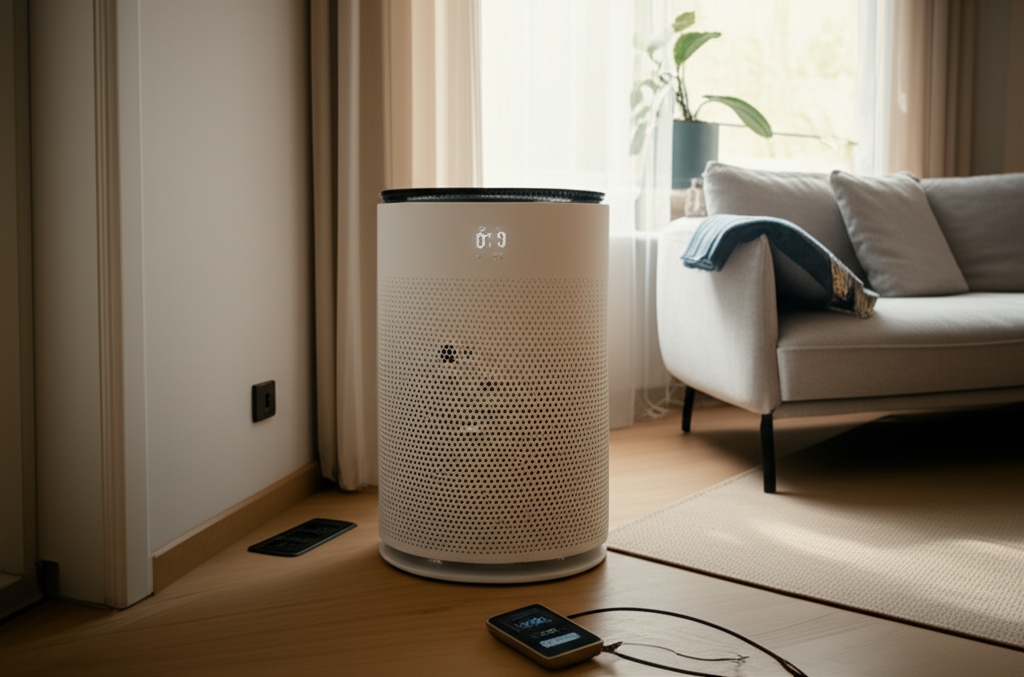
A decibel (dB) is the standard unit of measurement for sound intensity. For air purifiers, understanding decibel levels helps compare different models objectively. Lower decibel ratings indicate quieter operation, which is crucial for bedrooms or quiet living spaces. A whisper is around 30 dB, normal conversation is about 60 dB, and a vacuum cleaner can reach 70-80 dB.
Decibel Ranges and Their Impact
- 0-30 dB: Extremely quiet, often described as a whisper or rustling leaves. Ideal for bedrooms and offices.
- 30-50 dB: Noticeable but generally not disruptive. Suitable for most living areas.
- 50-65 dB: Can be comparable to a conversation or a washing machine. May be distracting for some.
- 65+ dB: Significantly loud and likely to be disruptive.
Choosing an air purifier with a decibel rating within your comfort zone ensures it enhances your environment rather than detracting from it. Always check the product specifications for these crucial numbers.
Factors Influencing Air Purifier Noise
Several elements contribute to the noise an air purifier produces, from its internal components to how it’s used. Identifying these factors allows for informed decisions when selecting and operating your device.
Fan Speed and Motor Quality
The fan is the primary source of noise in an air purifier. Higher fan speeds mean more air is being moved, but also more noise is generated. The quality of the motor also plays a significant role; a well-engineered motor will run more smoothly and quietly, even at higher speeds, compared to a cheaper, less efficient one.
A higher fan speed will inevitably produce more sound. Look for models with multiple fan speeds, including a low “sleep” mode for quiet operation. The motor’s design and build quality are also critical for minimizing unwanted vibrations and hums.
Airflow Volume (CADR)
Clean Air Delivery Rate (CADR) measures how effectively an air purifier cleans a room. A higher CADR means the unit can process more air, which often correlates with a more powerful fan and, consequently, potentially more noise. However, efficient designs can achieve high CADR with surprisingly low noise.
When considering CADR, remember that a higher rating often requires a stronger fan. It’s a balance between purification power and noise. Seek models that offer a good balance for your room size.
Filter Design and Airflow Resistance
The type and density of the filters can also impact noise. Thicker, denser filters, like HEPA filters, can create more resistance to airflow, causing the fan to work harder and potentially become louder. The way air flows through the unit and filters is engineered to minimize this resistance.
The physical design of the filters and the internal pathways for air are engineered to reduce noise. Well-designed units ensure air moves smoothly through the filters without creating turbulence or excessive sound.
Unit Size and Construction
Larger air purifiers often have more powerful fans and larger housings, which can sometimes lead to more noise. The quality of the materials used in the unit’s construction and how well it’s assembled also matters. A solid, well-built unit is less likely to vibrate or rattle.
The physical dimensions and build quality influence how sound is contained and generated. A robust construction can dampen vibrations and operational noise effectively.
Choosing a Quiet Air Purifier: Key Features to Look For
Selecting an air purifier that prioritizes quiet operation involves looking beyond just its purification capabilities. Several features can help ensure a peaceful environment.
Look for Low Decibel Ratings
The most straightforward way to find a quiet air purifier is to check its decibel (dB) ratings. Manufacturers usually list the noise levels for different fan settings. Aim for models that advertise a low dB rating on their lowest setting, ideally below 30 dB for bedrooms.
Prioritize models that clearly state their decibel levels for each fan setting. A quiet unit will have a low dB rating, especially on its lowest operational mode. This information is usually found in the product specifications. A whisper-quiet operation is often advertised as “sleep mode” or “night mode.”
Multiple Fan Speeds and Sleep Modes
Air purifiers with multiple fan speeds offer greater control over noise. A dedicated “sleep” or “night” mode is designed to run the fan at its lowest, quietest setting, often dimming the indicator lights as well. This is invaluable for undisturbed sleep.
Having adjustable fan speeds allows you to tailor the purification intensity to your needs and tolerance for noise. A specific “sleep mode” is crucial for bedrooms, ensuring quiet operation throughout the night.
Certified Quiet Operation
Some organizations certify products for quiet operation. While less common for air purifiers specifically, looking for certifications related to noise reduction or energy efficiency can sometimes indicate a focus on quiet design. Energy Star certified appliances often prioritize efficient, and thus quieter, operation.
Look for any certifications that might indicate a focus on quiet design or energy efficiency. While direct “quiet certifications” are rare, related endorsements can be a good sign. The Energy Star program, for instance, encourages efficient designs that often translate to quieter appliances.
Engineered for Silence
Reputable brands invest in engineering their air purifiers to be as quiet as possible. This includes using high-quality, balanced fan blades, sound-dampening materials in the housing, and aerodynamic designs to reduce air turbulence. Advanced brushless DC motors are often quieter and more energy-efficient than traditional AC motors.
Brands that focus on quiet operation use advanced motor technology and design features to minimize noise. Look for information about their engineering approach to sound reduction. This often includes details about motor type and internal acoustics.
Comparing Quiet Air Purifier Models
When comparing specific models, a table can be an incredibly useful tool to visualize their noise performance and other key features. This allows for a quick, side-by-side assessment.
Noise Level Comparison Table
Here’s a sample table illustrating how different air purifiers might stack up in terms of noise. Note that actual dB levels can vary between manufacturers and specific models.
| Model | Lowest Setting (dB) | Medium Setting (dB) | Highest Setting (dB) | Special Features |
|---|---|---|---|---|
| BrandX WhisperFlow 300 | 25 dB | 40 dB | 55 dB | Sleep mode, auto mode |
| BrandY AeroQuiet Pro | 28 dB | 45 dB | 60 dB | Smart features, multiple filters |
| BrandZ TurboClean Max | 35 dB | 50 dB | 68 dB | High CADR, compact design |
This table helps visualize the noise differences across settings. A lower number in the “Lowest Setting” column is generally preferable for continuous use, especially at night.
What to Expect from Different Settings
The noise an air purifier makes is directly tied to its fan speed. Understanding these variations helps manage expectations and choose the right setting for your needs.
- Sleep/Low Mode: This is the quietest setting, designed for minimal disruption. It’s perfect for bedrooms or when you’re focused on quiet activities. The noise is often described as a soft hum or white noise.
- Medium Setting: This offers a balance between purification power and noise. It’s suitable for general use in living areas when you don’t need maximum airflow.
- High/Boost Setting: This setting maximizes the fan speed for rapid air cleaning. It will be the loudest, comparable to a fan or a moderate appliance. Use this setting when you need quick purification or when noise is not a concern.
Each setting serves a purpose, allowing you to optimize for either quietness or purification speed. Knowing what to expect from each setting helps you use your air purifier effectively without being bothered by excessive noise.
Tips for Minimizing Air Purifier Noise
Even if you have a slightly noisier model, there are several practical strategies you can employ to reduce the perceived sound and its impact on your living space.
Placement is Key
Where you place your air purifier can significantly affect how much noise you hear. Avoid placing it directly against walls or in corners, as this can amplify sound. Placing it on a soft surface, like a rug or carpet, can help absorb some of the vibrations.
Positioning your air purifier thoughtfully can make a difference. Placing it on a carpeted surface or a rug can help absorb vibrations, reducing the overall noise you perceive. Avoid corners where sound can echo.
Regular Maintenance for Quiet Operation
A well-maintained air purifier operates more quietly. Dust and debris buildup on the fan blades or within the filters can cause imbalance and increase noise. Regularly cleaning or replacing filters and dusting the unit ensures it runs smoothly.
Keeping your air purifier clean is crucial for quiet operation. Clogged filters and dusty fan blades can lead to increased noise and reduced efficiency. Follow the manufacturer’s guidelines for filter replacement and unit cleaning.
Utilize Smart Features and Timers
Many modern air purifiers come with smart features, including auto modes that adjust fan speed based on air quality, and timers that allow you to schedule operation. You can set the purifier to run on its quieter settings when you’re home and awake, and perhaps on higher settings when you’re out or asleep (if the noise level is acceptable then).
Leveraging auto modes and timers can ensure your air purifier runs optimally without constant manual adjustment. This allows for quiet operation when needed and efficient cleaning when you’re away or sleeping.
Are All Air Purifiers Loud? Dispelling Myths
It’s a common misconception that all air purifiers are inherently noisy. While some models can be, the market offers a wide range of options designed with quiet operation in mind. Advances in technology have made it possible to achieve effective air purification with minimal sound.
The Rise of Whisper-Quiet Technology
Many manufacturers are now prioritizing quiet performance, especially for units intended for bedrooms or living areas. They employ advanced motor technology, aerodynamic fan designs, and sound-dampening materials to create units that are remarkably quiet, even on higher settings. This technology ensures you don’t have to choose between clean air and a peaceful home.
Modern air purifiers incorporate sophisticated technology to minimize noise. Look for brands that highlight their commitment to quiet design and use of advanced, low-noise components. This ensures effective purification without disruptive sounds.
White Noise: A Benefit, Not a Bug
For some individuals, the gentle hum of an air purifier on a low setting can be a welcome form of white noise. This consistent, low-level sound can help mask disruptive background noises, such as traffic or loud neighbors, promoting better sleep and focus. This is why many people find certain air purifiers beneficial for their sleep environment.
The consistent sound produced by an air purifier can act as white noise. This can mask more jarring environmental sounds, potentially aiding sleep and concentration. It transforms a potential annoyance into a helpful acoustic feature.
When is Air Purifier Noise Too Much?
While some noise is expected, there are instances where an air purifier’s sound level crosses the line from acceptable to disruptive. Recognizing these signs is important for your comfort and well-being.
Identifying Disruptive Noise
If your air purifier’s noise prevents you from sleeping, concentrating on work, or enjoying conversations, it’s likely too loud for your needs. This can be due to the unit’s inherent design, a setting that’s too high, or even a malfunction.
Noise becomes problematic when it interferes with daily activities like sleeping, working, or relaxing. If the sound is consistently distracting or irritating, it’s a sign that the unit or its current setting is not suitable for your environment.
Troubleshooting Loud Operation
If your air purifier suddenly becomes unusually loud, it could indicate a problem. Check for:
- Clogged Filters: Dirty filters restrict airflow and strain the motor.
- Loose Parts: Ensure all covers and components are securely fastened.
- Foreign Objects: Small items can sometimes get caught in the fan.
- Motor Issues: In rare cases, the motor itself may be failing.
Sudden increases in noise often point to maintenance issues or minor malfunctions. Regularly checking filters, ensuring parts are secure, and listening for unusual sounds can help troubleshoot these problems. A quick check can often resolve a noisy unit.
Top Quiet Air Purifier Recommendations
Based on user reviews and expert testing, certain models consistently stand out for their quiet performance. While specific models evolve, brands known for quiet technology are often a good starting point. For instance, brands like Coway, Levoit, and Blueair often receive praise for their quieter options.
Researching models that are frequently cited for their low noise levels is a smart approach. Look for reviews that specifically mention quiet operation on lower settings. Websites like Wirecutter or Consumer Reports often provide detailed, unbiased reviews that can highlight these quiet performers.
FAQ: Your Air Purifier Noise Questions Answered
How quiet is a “quiet” air purifier?
A truly quiet air purifier will operate at around 20-30 decibels (dB) on its lowest setting. This is often described as a soft whisper or the sound of rustling leaves, making it ideal for bedrooms.
Will a higher CADR air purifier be louder?
Often, yes, because a higher CADR requires a more powerful fan to move more air. However, efficient design can mitigate this, so a high CADR doesn’t always mean excessive noise.
Can I make my existing air purifier quieter?
Yes, by cleaning or replacing filters regularly, placing it on a rug, and using its lowest fan setting when possible. Ensure all parts are secure to prevent rattling.
Is the noise from an air purifier harmful?
Generally, no. The noise levels of most air purifiers are well within safe limits. However, if the noise is consistently disruptive to your sleep or focus, it can negatively impact your well-being.
Do air purifiers with ionizers make more noise?
The noise level of an air purifier is primarily determined by its fan and motor, not the presence of an ionizer. Ionizers themselves are typically silent.
What is “white noise” from an air purifier?
It’s the consistent, low-level sound produced by the fan. Many people find this soothing as it can mask other, more disruptive noises, aiding sleep and concentration.
Conclusion: Finding Your Perfect Balance of Clean Air and Quiet
So, do air purifiers make noise? Yes, they do, but the level of sound is highly variable and manageable. By understanding the factors that contribute to noise, knowing what decibel levels to look for, and selecting models with features like sleep modes and multiple fan speeds, you can find an air purifier that effectively cleans your air without disturbing your peace. Regular maintenance and strategic placement further ensure a quiet and healthy living environment. Don’t let the fear of noise deter you from enjoying the benefits of cleaner air; with this guide, you’re well-equipped to make an informed choice.
