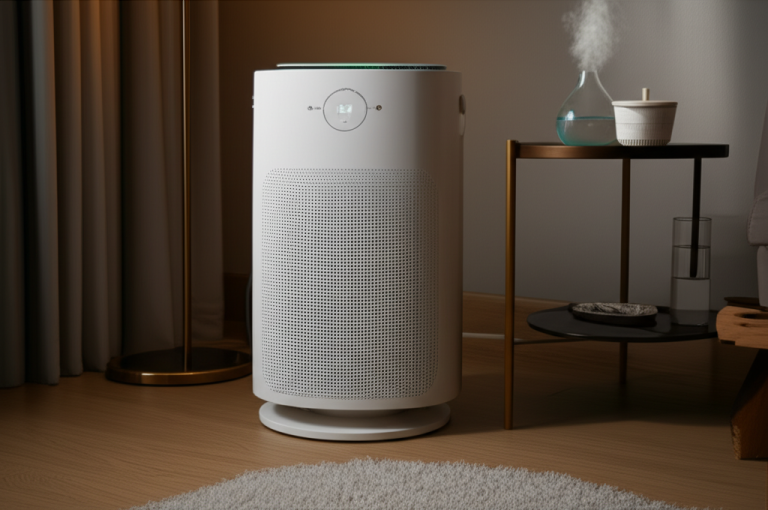
Do Air Purifier Dehumidifier Combos Work? Essential Guide

Yes, air purifier dehumidifier combos can work effectively, tackling both air quality and excess humidity, but their performance depends on the specific unit’s capabilities and your needs.
Do Air Purifier Dehumidifier Combos Work? Your Essential Guide to Dual-Action Home Comfort
Dealing with stuffy air and dampness can make your home feel less than comfortable. You might be wondering if a single appliance can solve both problems. The good news is, many people find that air purifier dehumidifier combos offer a convenient solution for cleaner, drier air. This guide will explore exactly how these devices function, what to look for, and whether they are the right choice for your home. We’ll break down the technology and help you make an informed decision.
Understanding the Dual Functionality: How Do Air Purifier Dehumidifier Combos Work?
Air purifier dehumidifier combos are designed to tackle two distinct environmental issues within a single unit, offering a streamlined approach to home comfort. They achieve this by integrating the mechanisms of both an air purifier and a dehumidifier. This dual-action system aims to improve your indoor air quality by removing pollutants while simultaneously reducing excess moisture.
The core of the system lies in its ability to process air for both purposes. As air is drawn into the unit, it first passes through the dehumidifying components. These typically involve a cooling coil that condenses moisture from the air, collecting it in a reservoir. Subsequently, the drier air is then channeled through the air purification stages. Here, it encounters filters, such as HEPA and activated carbon, designed to capture airborne particles like dust, pollen, pet dander, and volatile organic compounds (VOCs). This sequential processing ensures that air is both cleaned and dehumidified before being released back into the room.
The Dehumidification Process: Capturing Excess Moisture
The dehumidifier component of these combo units operates on a principle similar to your refrigerator. It uses a refrigeration cycle to cool air to its dew point, causing water vapor to condense into liquid. This collected water is then stored in a tank, which needs to be emptied periodically, or can be drained continuously via a hose.
This process is crucial for preventing mold and mildew growth, which thrive in humid environments. By actively removing moisture from the air, these units help maintain a healthier humidity level, typically between 30% and 50%. This also contributes to a more comfortable living space, as high humidity can make the air feel warmer and more oppressive.
The Air Purification Process: Eliminating Airborne Contaminants
Simultaneously, the air purifier aspect of the combo unit focuses on cleaning the air you breathe. It employs a multi-stage filtration system to trap microscopic particles. A pre-filter often catches larger debris like hair and lint, extending the life of the more advanced filters.
The main work is done by a HEPA (High-Efficiency Particulate Air) filter, which is certified to capture at least 99.97% of airborne particles as small as 0.3 microns. This includes allergens like pollen, dust mites, and pet dander, as well as mold spores and bacteria. An activated carbon filter is also usually included to absorb odors, smoke, and harmful VOCs, further improving air freshness.
Integrated Performance: Synergy or Compromise?
The effectiveness of an air purifier dehumidifier combo hinges on how well these two functions are integrated. In well-designed units, the processes work in harmony, providing comprehensive air treatment. The cooling process of dehumidification can even slightly pre-condition the air before it reaches the purification filters, potentially aiding in particle capture.
However, it’s important to understand that the performance of each function might be a compromise compared to a dedicated, high-end unit. A combo unit might not offer the same dehumidification capacity as a standalone dehumidifier of equivalent size or the same air cleaning power as a specialized air purifier. Evaluating the specifications for both CFM (Cubic Feet per Minute) for air purification and PPD (Pints Per Day) for dehumidification is key.
When Do Air Purifier Dehumidifier Combos Shine? Ideal Scenarios
These dual-action devices are particularly beneficial in specific home environments and for individuals with particular needs. Their compact nature and dual functionality make them a practical choice for smaller spaces or for those seeking to simplify their appliance setup. Understanding these ideal scenarios can help you determine if a combo unit is the right fit for your situation.
They are excellent for rooms that tend to be both damp and prone to common air pollutants. Think basements, bathrooms, or small apartments where ventilation might be limited. In these areas, managing both humidity and air quality can significantly improve comfort and health.
Small to Medium-Sized Rooms
Most air purifier dehumidifier combos are designed for use in single rooms rather than entire homes. They are best suited for spaces up to a certain square footage, which will be clearly stated by the manufacturer. If you have a larger home, you might need multiple units or a more robust solution.
Using a combo unit in a bedroom, home office, or living area can create a more comfortable microclimate. This is especially true if that specific room is prone to moisture issues or if someone in the household suffers from allergies.
Basements and Crawl Spaces
These areas are notoriously prone to high humidity and can harbor mold, mildew, and musty odors. An air purifier dehumidifier combo can actively combat these issues, making these spaces more usable and healthier. By reducing moisture, it prevents the growth of mold and bacteria.
By purifying the air, it also removes any musty smells that often plague basements. This dual approach makes these typically neglected areas more pleasant and safe to inhabit or store items in.
Allergy and Asthma Sufferers
For individuals sensitive to allergens and airborne irritants, controlling both humidity and air quality is paramount. High humidity can exacerbate mold and dust mite growth, while poor air quality can trigger respiratory issues. A combo unit can provide relief by removing allergens and preventing the conditions that foster their proliferation.
The HEPA filter captures common allergens like pollen, pet dander, and dust mites. Simultaneously, the dehumidifier reduces the moisture that allows mold spores and dust mites to thrive, offering a comprehensive solution for respiratory health.
Individuals Seeking Simplicity and Space Saving
If you dislike clutter or have limited space for multiple appliances, a combo unit offers a neat, two-in-one solution. It reduces the number of cords, outlets, and the overall footprint required for air treatment. This can be particularly appealing in smaller apartments or minimalist living spaces.
Having one device perform two essential functions simplifies maintenance and operation. You only need to clean or replace filters on one unit and manage one water tank.
Key Features to Consider When Choosing a Combo Unit
When you’re in the market for an air purifier dehumidifier combo, several features will dictate its performance and suitability for your home. It’s not just about getting a device that does both; it’s about finding one that excels at both and meets your specific needs. Paying close attention to these specifications will ensure you make a wise investment.
Consider the capacity of both the dehumidifier and the air purifier. The dehumidifier’s capacity is usually measured in pints of moisture removed per day, while the air purifier’s effectiveness is often indicated by its coverage area and CADR (Clean Air Delivery Rate). Ensure these align with the size of your room and the severity of your issues.
Dehumidification Capacity (Pints per Day)
This is a crucial metric for the dehumidifier function. Manufacturers rate their units based on the amount of water they can extract from the air in a 24-hour period under specific test conditions. Choose a capacity that matches the size of your room and the level of humidity you experience.
For moderately humid rooms (around 60% relative humidity), a 20-30 pint unit might suffice. For very damp environments or larger spaces, you might need a 40-50 pint or even higher capacity unit. It’s often better to slightly oversize than undersize.
Air Purification Coverage Area and CADR
The air purifier’s effectiveness is determined by how large a space it can adequately clean and how quickly it can do so. Look for the recommended room size in square feet and the CADR ratings for smoke, dust, and pollen. A higher CADR indicates faster and more efficient air cleaning.
Many experts recommend choosing an air purifier that can clean the air in your room at least 4-5 times per hour. This ensures that pollutants are removed efficiently, providing maximum benefit for air quality.
Filtration System (HEPA and Activated Carbon)
A true HEPA filter is essential for capturing fine airborne particles that can trigger allergies and respiratory problems. Ensure the unit explicitly states it uses a HEPA filter, not just a “HEPA-type” or “HEPA-like” filter, which are less effective. An activated carbon filter is also vital for removing odors and VOCs.
Some units may offer additional filtration layers, such as UV-C light or ionizers, which can further enhance air purification. However, be mindful of potential ozone production from ionizers, which can be an irritant for some individuals.
Water Tank Size and Drainage Options
The water tank collects the condensed moisture. A larger tank means less frequent emptying, which is more convenient. However, larger tanks also make the unit heavier and bulkier.
Consider if the unit offers a continuous drainage option via a hose. This is highly recommended for basements or areas where you want the dehumidifier to run without constant supervision. It eliminates the need to manually empty the tank.
Noise Level (Decibels – dB)
Dehumidifiers and air purifiers can generate noise, especially at higher fan speeds. Check the decibel (dB) rating for different fan settings. If you plan to use the unit in a bedroom or office, look for models that operate quietly, ideally below 50 dB on lower settings.
Manufacturers often provide noise levels for both low and high settings. This information is crucial for ensuring the unit won’t disrupt your daily activities or sleep.
Energy Efficiency (ENERGY STAR Rating)
Running a dehumidifier and air purifier can impact your electricity bill. Look for units with an ENERGY STAR rating, which indicates that the appliance meets strict energy efficiency guidelines set by the U.S. Environmental Protection Agency.
ENERGY STAR certified products are more environmentally friendly and can save you money on energy costs over time. This is a significant consideration for appliances that run for extended periods.
Do Air Purifier Dehumidifier Combos Work Effectively? Performance Evaluation
The question remains: do air purifier dehumidifier combos work as well as their single-function counterparts? The answer is nuanced. They can be highly effective, but it depends on the unit’s design, your specific needs, and realistic expectations.
In many cases, these combo units provide a satisfactory balance of performance for moderate issues. For instance, if you have a slightly damp room that also gets dusty, a combo unit can manage both reasonably well. However, for severe humidity problems or very high levels of air pollution, dedicated, high-capacity units might be necessary.
Comparing Performance: Combo vs. Separate Units
When comparing a combo unit to separate, high-performance dehumidifier and air purifier units, you might find differences in capacity and efficiency. Dedicated appliances are often engineered to maximize their specific function, potentially offering greater power and coverage. For example, a standalone dehumidifier might remove significantly more pints per day than a combo unit of similar size and price.
Similarly, a powerful air purifier with a high CADR and advanced filtration might clean the air in a larger space more rapidly than the purification component of a combo device. This doesn’t mean combos are ineffective, but rather that specialized units are built for peak performance in their single task.
Real-World Effectiveness: User Experiences and Reviews
User reviews and testimonials offer valuable insights into the real-world performance of air purifier dehumidifier combos. Many users report satisfaction with the convenience and the noticeable improvement in air quality and moisture levels, especially in smaller rooms or moderate conditions. They appreciate the space-saving aspect and the reduction in appliance clutter.
However, some users might express disappointment if they expected the performance of top-tier, single-function devices. It’s important to read reviews critically, paying attention to comments from users with similar environmental challenges and room sizes. Look for patterns in feedback regarding noise, efficiency, and ease of maintenance.
When a Combo Might Not Be Enough
There are specific situations where an air purifier dehumidifier combo might not be the optimal solution. If you are dealing with severe mold infestations, you’ll likely need a heavy-duty dehumidifier and potentially professional remediation services. Likewise, if you suffer from severe allergies or have a large, open-plan living area with significant air quality concerns, a dedicated, high-capacity air purifier would be more appropriate.
Another consideration is the potential for one function to be weaker than the other. Some combo units might prioritize dehumidification, offering weaker air purification, or vice versa. Carefully examining the specifications for both functions is crucial.
Maintenance and Care for Your Combo Unit
Proper maintenance is key to ensuring your air purifier dehumidifier combo operates efficiently and lasts for years. Neglecting regular care can lead to reduced performance, decreased air quality, and potential breakdowns. Following the manufacturer’s instructions is always the best practice.
Regular cleaning of the water tank and filters is essential. The water tank should be emptied and cleaned to prevent mold and bacteria growth. Filters, especially pre-filters, should be cleaned or replaced according to the recommended schedule to maintain optimal air flow and purification efficiency.
Cleaning the Water Tank
The water tank is a breeding ground for mold, mildew, and bacteria if not cleaned regularly. Empty the tank daily or whenever it’s full. Wash it with mild soap and water, and ensure it’s completely dry before reinserting it into the unit.
Some manufacturers recommend using a diluted bleach or vinegar solution for a more thorough cleaning periodically, but always check your manual first. This step is critical for preventing unpleasant odors and ensuring the air being circulated is clean.
Replacing Air Filters
Air filters have a limited lifespan and will eventually become clogged with dust and debris, reducing their effectiveness. HEPA filters typically need replacement every 6-12 months, while activated carbon filters may need replacement more frequently, depending on usage and the level of odors in your environment.
Check your unit’s indicator lights or consult your manual for recommended replacement schedules. Using genuine replacement filters from the manufacturer is often advised to ensure optimal performance and fit.
Maintaining the Dehumidifier Coils
The dehumidifier coils can accumulate dust and debris over time, which can hinder their efficiency. Periodically, you may need to access and gently clean these coils according to the manufacturer’s instructions. This usually involves using a soft brush or a vacuum cleaner attachment.
Ensure the unit is unplugged and completely cool before attempting to clean the coils. Proper maintenance of these components ensures efficient moisture removal and prolongs the life of the appliance.
Pros and Cons of Air Purifier Dehumidifier Combos
Like any appliance, air purifier dehumidifier combos come with their own set of advantages and disadvantages. Understanding these can help you weigh whether the benefits outweigh the potential drawbacks for your specific situation. It’s about finding the best fit for your home and lifestyle.
The primary advantage is the convenience of two functions in one unit, saving space and simplifying operation. However, a potential disadvantage is that each function might not be as powerful as a dedicated, high-end appliance.
Pros:
Space-Saving: Combines two essential functions into a single appliance, reducing clutter.
Convenience: Simplifies operation and maintenance with one unit to manage.
Cost-Effective (Potentially): May be cheaper than buying two separate high-quality units.
Improved Comfort: Addresses both air quality and humidity for a healthier living environment.
Suitable for Smaller Spaces: Ideal for bedrooms, bathrooms, or small apartments.
Cons:
Compromised Performance: Each function may not be as powerful as a dedicated appliance.
Limited Capacity: Often designed for smaller rooms, not whole-house solutions.
Maintenance for Both: Requires filter replacements and tank cleaning for both functions.
Energy Consumption: Running both functions simultaneously can increase energy usage.
Potential for Imbalance: One function might be significantly stronger than the other.
Top Air Purifier Dehumidifier Combo Brands and Models
While the market for dedicated appliances is vast, the selection of true air purifier dehumidifier combos is more specialized. Brands that focus on home comfort solutions often offer these integrated units. Researching reputable brands known for quality and reliability is a good starting point.
Some well-regarded brands in the home appliance space may offer models that combine these functionalities. It’s always wise to check recent product releases and read independent reviews to find the best-performing options.
Frigidaire: Known for its range of home appliances, Frigidaire offers dehumidifiers that sometimes incorporate air purification features.
LG: Another major appliance manufacturer, LG has produced models that aim to combine both functions, focusing on smart technology and efficiency.
* Smaller Specialty Brands: Several brands focus specifically on air treatment and might offer integrated units. Researching these can lead to specialized, high-performance options.
When looking at specific models, always compare their PPD (Pints Per Day) for dehumidification and CADR/coverage area for air purification. Check for HEPA and activated carbon filters as standard.
Frequently Asked Questions (FAQ)
Do air purifier dehumidifier combos work for large rooms?
Generally, air purifier dehumidifier combos are best suited for small to medium-sized rooms. Their effectiveness in larger spaces may be limited, and for whole-house solutions, separate, higher-capacity units are usually recommended.
How often do I need to empty the water tank?
The frequency of emptying the water tank depends on the humidity level in your room and the unit’s capacity. In very humid conditions, you might need to empty it daily, while in less humid environments, it could be every few days. Many units have an auto-shutoff feature when the tank is full.
Can these combo units replace my standalone dehumidifier and air purifier?
For moderate humidity and air quality issues in a single room, a combo unit can be a viable replacement. However, if you have significant problems with either dampness or air pollution, or a larger space, dedicated, high-performance appliances might still be necessary.
Are air purifier dehumidifier combos noisy?
Noise levels vary significantly between models and fan speeds. Lower settings are typically quieter, often below 50 decibels, making them suitable for bedrooms. Always check the decibel rating in the product specifications.
What is the difference between a combo unit and a “smart” appliance?
A “smart” appliance refers to its connectivity features, allowing control via a smartphone app or voice assistants. An air purifier dehumidifier combo describes its dual functionality. A unit can be both a combo appliance and a smart appliance if it offers both dual functions and connectivity.
How do I know if an air purifier dehumidifier combo is right for me?
If you have a specific room that suffers from both excess moisture and air quality concerns, and you value space-saving convenience, a combo unit is likely a good choice. If you have severe issues or a large area, consider separate units.
Conclusion: Do Air Purifier Dehumidifier Combos Work for Your Home?
So, do air purifier dehumidifier combos work? Yes, they absolutely can be effective tools for enhancing your home environment. They offer a practical, space-saving solution for tackling common issues of dampness and poor air quality simultaneously, particularly in smaller or moderately affected rooms. By understanding their integrated functionality, key features, and maintenance requirements, you can make an informed decision.
Ultimately, the success of an air purifier dehumidifier combo depends on matching its capabilities to your specific needs. For many households seeking improved comfort and a healthier living space without the clutter of multiple appliances, these dual-action units are an excellent and worthwhile investment. They bring together dehumidification and air purification to create a more pleasant and breathable atmosphere.