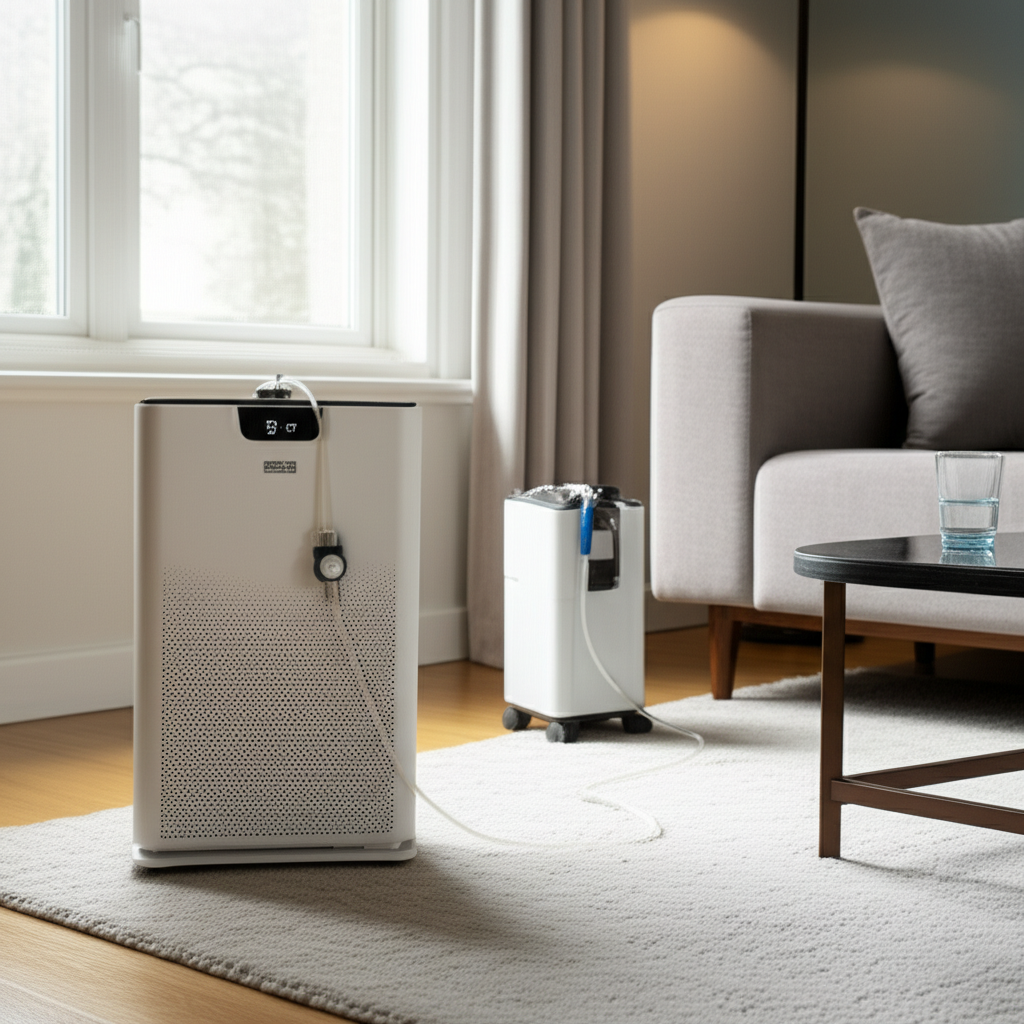
Can You Use An Air Purifier With Oxygen? Essential Guide

Yes, you can generally use an air purifier with supplemental oxygen, but with crucial safety precautions to prevent fire hazards. The key is to ensure the air purifier is placed at a safe distance from the oxygen source and that it doesn’t generate sparks or excessive heat.
Can You Use An Air Purifier With Oxygen? Essential Guide
It’s a common question for individuals relying on supplemental oxygen: can I use an air purifier in my home to improve air quality? The concern often stems from the inherent flammability of oxygen and the potential for electrical devices to create sparks. I understand this worry, as ensuring a safe environment is paramount. Fortunately, with the right knowledge and precautions, you can enjoy cleaner air without compromising safety. This guide will walk you through everything you need to know about using an air purifier with oxygen.
Understanding the Risks: Oxygen and Air Purifiers
Supplemental oxygen significantly increases the concentration of oxygen in the air, making combustible materials ignite more easily and burn more intensely. Air purifiers, while generally safe, are electrical devices. They contain motors and often heating elements or UV-C lamps that could potentially generate a spark or excessive heat. This combination necessitates a careful approach to ensure no ignition source comes into close proximity with the enriched oxygen environment.
The Core Safety Principle: Separation is Key
The most critical safety measure when using an air purifier with oxygen is maintaining a safe distance between the oxygen source (like a concentrator or tank) and the air purifier. This separation prevents any potential spark or heat from the purifier from reaching the highly concentrated oxygen, thereby minimizing the risk of combustion. Following established safety guidelines is essential for peace of mind.
How Air Purifiers Work and Potential Ignition Sources
Air purifiers typically work by drawing air through a series of filters. Common technologies include HEPA filters for particulate matter, activated carbon for odors and gases, and sometimes UV-C light for germicidal purposes. While modern air purifiers are designed with safety in mind, older models or those with certain components like exposed heating elements could pose a higher risk. It’s important to be aware of the specific technology your air purifier uses.
Choosing the Right Air Purifier for Oxygen Users
When selecting an air purifier, prioritize models that are certified for safety and specifically designed to minimize ignition risks. Look for units with sealed electrical components, no exposed heating elements, and certifications from reputable organizations like UL or ETL. Air purifiers that rely solely on fan and filter systems, without UV-C or ionization, are often considered safer options in oxygen-enriched environments.
Recommended Air Purifier Features to Consider
Sealed Motor: A motor enclosed in a protective housing reduces the chance of sparks escaping.
No Ionizer or Ozone Generation: Some air purifiers produce ozone as a byproduct, which can be harmful and is highly flammable. Avoid these.
Low Heat Output: Ensure the unit doesn’t become excessively hot during operation.
Robust Casing: A sturdy exterior can offer an additional layer of protection.
UL/ETL Certification: These certifications indicate the product has met rigorous safety standards.
Safe Placement Strategies for Your Air Purifier
The placement of your air purifier is as crucial as the unit itself. Always position the air purifier at least 5 to 10 feet away from your oxygen source. This distance creates a buffer zone that significantly reduces the risk of ignition. Avoid placing the air purifier directly next to where you sleep or sit if that’s where your oxygen concentrator is located.
Consulting with Your Healthcare Provider and Oxygen Supplier
Before introducing any new electrical appliance, especially an air purifier, into an environment where supplemental oxygen is used, it is vital to consult with your doctor or respiratory therapist. They can provide personalized advice based on your specific medical needs and the type of oxygen delivery system you use. Your oxygen supplier can also offer guidance on safe practices and may have specific recommendations for compatible appliances.
Understanding Oxygen Safety Guidelines
Organizations like the National Fire Protection Association (NFPA) and the American Lung Association provide comprehensive guidelines for oxygen safety. These guidelines emphasize avoiding open flames, smoking, and flammable materials near oxygen use. While they may not directly mention air purifiers, the principles of preventing ignition sources are directly applicable. You can find valuable resources on their websites.
Maintaining Your Air Purifier for Optimal Safety
Regular maintenance is key to ensuring your air purifier operates safely and effectively. Clean or replace filters according to the manufacturer’s instructions. Dust buildup can strain the motor and potentially lead to overheating. Inspect the power cord and plug for any signs of damage, and never use a damaged appliance. A well-maintained unit is a safer unit.
Step-by-Step Guide to Safe Air Purifier Use with Oxygen
1. Consult Professionals: Speak with your doctor and oxygen supplier about your plan.
2. Choose Wisely: Select a certified, spark-free air purifier with no ozone generation.
3. Determine Placement: Identify a location at least 5-10 feet from the oxygen source.
4. Inspect Regularly: Check the air purifier for any damage or excessive heat during operation.
5. Maintain Filters: Keep filters clean or replaced as recommended.
6. Educate Household Members: Ensure everyone in the home understands the safety protocols.
Air Purifier Technologies to Be Cautious Of
While many air purifiers are safe, some technologies warrant extra caution or should be avoided entirely when using supplemental oxygen:
Ozone Generators: These devices intentionally produce ozone, which is highly flammable and can irritate the lungs.
Ionizers (some types): Some ionizers can produce small amounts of ozone. Look for “ozone-free” certifications.
Units with Exposed Heating Elements: While uncommon in standard air purifiers, be aware if your unit has any such components.
Comparing Air Purifier Types for Oxygen Safety
| Air Purifier Type | Safety Considerations with Oxygen | Recommendation |
| :——————— | :————————————————————————————————————————————— | :—————————————————————————————————————– |
| HEPA + Carbon | Generally safe; relies on mechanical filtration. Ensure sealed motor and no ozone production. | Highly Recommended |
| UV-C Light | Can be safe if UV bulb is fully enclosed and no ozone is produced. Risk is minimal if well-designed. | Use with Caution, verify ozone-free certification. |
| Ozone Generators | Highly Dangerous. Produces flammable ozone gas. | AVOID COMPLETELY |
| Electrostatic | Some can produce ozone. Check for ozone-free certification. | Use with Caution, verify ozone-free certification. |
| Ionizers (general) | Risk of ozone production varies. Always choose “ozone-free” certified models. | Use with Caution, verify ozone-free certification. |
Frequently Asked Questions
Q1: Can I place my air purifier right next to my oxygen concentrator?
No, it’s crucial to maintain a distance of at least 5 to 10 feet between your air purifier and your oxygen concentrator or any oxygen source to prevent fire hazards.
Q2: Are air purifiers that produce ozone safe to use with oxygen?
Absolutely not. Ozone is highly flammable and can significantly increase the risk of fire. Always choose an air purifier certified as “ozone-free.”
Q3: What if my air purifier gets warm? Is that a problem?
While most air purifiers produce minimal heat, excessive warmth could be a concern. Ensure the unit isn’t overheating and that it’s placed away from the oxygen source as a precaution.
Q4: Do I need a special type of air purifier if I use oxygen?
You don’t necessarily need a special type, but you must choose one with safety features like sealed motors and no ozone production, and always follow placement guidelines.
Q5: Can I use an air purifier in the same room where I sleep with oxygen?
Yes, but extreme care must be taken regarding placement. Position the air purifier at a safe distance from your oxygen delivery equipment and ensure it’s a certified ozone-free model.
Q6: What certifications should I look for on an air purifier when using oxygen?
Look for certifications from reputable safety organizations like UL (Underwriters Laboratories) or ETL (Intertek). Also, ensure it’s explicitly labeled “ozone-free.”
Conclusion
In conclusion, the answer to “can you use an air purifier with oxygen?” is a resounding yes, but with vital safety considerations at the forefront. By understanding the risks, choosing an appropriate, ozone-free air purifier, and meticulously following placement guidelines—keeping a safe distance of 5-10 feet from your oxygen source—you can effectively improve your indoor air quality without compromising your safety. Always prioritize consulting with your healthcare provider and oxygen supplier for personalized advice. With these precautions, you can breathe easier, knowing your environment is both clean and secure.