
Can You Keep Air Purifier On All Night? Essential Guide

Yes, you can absolutely keep your air purifier on all night. It’s generally safe and beneficial for improving sleep quality and overall air health, provided you follow a few simple guidelines to ensure optimal performance and avoid any potential issues.
Breathing clean air while you sleep is crucial for a restful night and overall well-being. Many of us wonder if leaving our trusty air purifiers running overnight is a good idea. The short answer is a resounding yes, but understanding the nuances can help you maximize the benefits and ensure your device operates efficiently. This guide will walk you through everything you need to know about keeping your air purifier on all night, from its advantages to potential considerations, ensuring you sleep soundly in a healthier environment.
Why Running an Air Purifier Overnight is Beneficial
Running an air purifier overnight can significantly improve your sleep quality and health by continuously removing airborne pollutants. As you sleep, your body is more vulnerable to allergens and irritants, making continuous purification essential for a truly restorative rest. This constant filtering helps create a sanctuary of clean air, reducing exposure to common indoor pollutants that can disrupt sleep and trigger respiratory issues.
Continuous Allergen Removal for Better Sleep
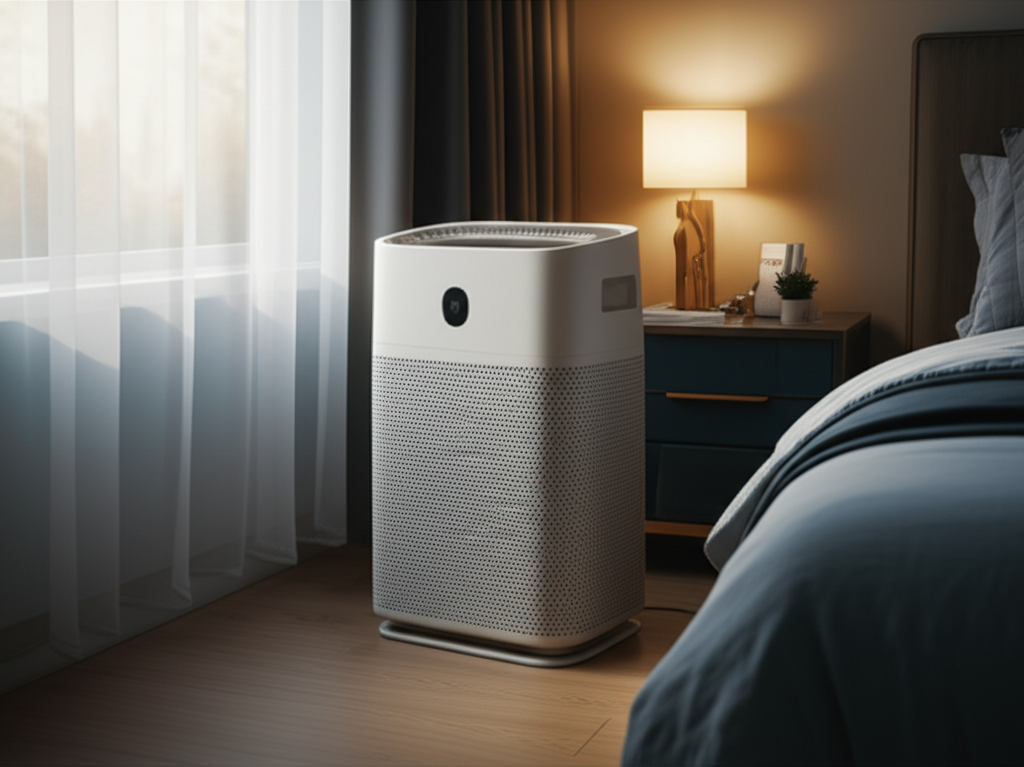
Allergens like dust mites, pollen, pet dander, and mold spores are often stirred up during the day and settle in your bedroom. Running your air purifier all night ensures these microscopic particles are captured before they can irritate your respiratory system and disrupt your sleep. This consistent removal is key for allergy sufferers seeking a peaceful night’s rest.
Reducing Indoor Air Pollutants
Your bedroom can accumulate various indoor air pollutants, including volatile organic compounds (VOCs) from furniture and cleaning products, as well as fine particulate matter from cooking or external sources. An air purifier running overnight actively works to reduce these harmful substances, creating a healthier breathing environment. This proactive approach to air quality is vital for long-term health.
Minimizing Odors for a Fresher Room
Lingering odors from pets, cooking, or stale air can make your bedroom unpleasant. Air purifiers, especially those with activated carbon filters, are excellent at absorbing and neutralizing these odors. Keeping yours on all night ensures your sleeping space remains fresh and inviting, contributing to a more relaxing atmosphere.
Mitigating the Effects of Pet Dander
For pet owners, pet dander is a common bedroom allergen that can cause sneezing, coughing, and itchy eyes. An air purifier operating overnight is particularly effective at capturing these microscopic dander particles, which are lightweight and tend to stay airborne. This continuous filtration can make a significant difference for those sensitive to pet allergens.
Factors to Consider When Running an Air Purifier All Night
While beneficial, there are a few factors to keep in mind to ensure you’re using your air purifier effectively and safely throughout the night. These considerations help optimize performance and address any potential concerns, allowing you to enjoy the benefits without worry.
Noise Levels and Sleep Disruption
Most modern air purifiers are designed with quiet operation in mind, often featuring a “sleep mode” or low fan speed. However, some units can still produce a noticeable hum or whirring sound. It’s important to choose a model with a low decibel rating or utilize its quietest settings to avoid disrupting your sleep.
Energy Consumption and Cost
Leaving any appliance on overnight will naturally increase your electricity bill. Air purifiers vary in their energy efficiency, with ENERGY STAR certified models typically using less power. Consider the wattage of your unit and its overall energy consumption when deciding on continuous operation.
Filter Lifespan and Replacement
Running an air purifier continuously means its filters will likely need replacement more frequently. This is a normal part of maintenance and ensures the purifier continues to operate at peak efficiency. Always check your manufacturer’s recommendations for filter replacement schedules.
Placement and Airflow
Proper placement is crucial for an air purifier to work effectively, especially overnight. Ensure the unit is not blocked by furniture or curtains, allowing for unimpeded airflow. Placing it in the center of the room or near where you sleep can maximize its purifying impact.
Choosing the Right Air Purifier for Overnight Use
Selecting an air purifier specifically designed for quiet, efficient overnight operation is key. Consider features that enhance the sleeping experience and ensure effective purification without causing disturbances. The right choice makes all the difference in achieving a restful, healthy night’s sleep.
Key Features to Look For
When shopping for an air purifier to run all night, prioritize models with a low noise level (ideally below 30 decibels on the lowest setting), a dedicated sleep mode, and an automatic shut-off timer. HEPA filtration is essential for capturing fine particles, while activated carbon filters are great for odor control. Look for ENERGY STAR certification to minimize energy consumption.
Understanding Different Filter Types
Air purifiers use various filter types to clean the air.
- Pre-filters: Capture larger particles like hair and dust bunnies, extending the life of other filters.
- HEPA Filters: The gold standard for capturing 99.97% of airborne particles as small as 0.3 microns, including allergens, bacteria, and viruses.
- Activated Carbon Filters: Absorb odors, gases, and VOCs, crucial for eliminating unpleasant smells.
- UV-C Light/Ionizers: Some models use these technologies to kill germs or clump particles, but research their safety and effectiveness for your needs.
For overnight use, a combination of HEPA and activated carbon filters is often the most effective.
HEPA Filtration: The Standard for Clean Air
A true HEPA filter is paramount for effective air purification, especially when you’re breathing it in for extended periods. These filters are certified to trap a vast majority of microscopic airborne contaminants. Ensuring your air purifier has a genuine HEPA filter means you’re investing in the highest level of air quality for your bedroom.
Activated Carbon for Odor and Gas Removal
If odors or VOCs are a concern in your bedroom, an activated carbon filter is a must-have. These filters work by adsorption, trapping gas molecules that cause smells and harmful chemical emissions. This is particularly beneficial for neutralizing odors from pets or recent painting.
Optimizing Your Air Purifier for Nighttime Operation
To get the most out of your air purifier while you sleep, a few simple adjustments can enhance its performance and your comfort. These tips ensure your device works efficiently and quietly throughout the night, contributing to a healthier sleep environment.
Utilizing Sleep Mode and Low Fan Speeds
Most air purifiers come equipped with a “sleep mode” or allow for manual adjustment to lower fan speeds. These settings reduce noise output and often dim or turn off indicator lights, creating a more sleep-friendly environment. Always opt for the lowest effective setting for overnight operation.
Setting Timers for Smart Operation
Many air purifiers include timer functions, allowing you to schedule operation for specific periods. While running it all night is beneficial, you might consider using a timer if you only need it for a certain duration, perhaps during peak allergy seasons or when cooking smells linger. This can also help manage energy usage.
Regular Maintenance for Peak Performance
Consistent maintenance is key to ensuring your air purifier continues to perform optimally, especially when running it overnight. This includes regularly cleaning or replacing filters as recommended by the manufacturer. Neglecting maintenance can reduce efficiency and even lead to the unit recirculating pollutants.
Placement Strategies for Maximum Effectiveness
The placement of your air purifier significantly impacts its ability to clean the air in your bedroom. Placing it on a stable, level surface away from walls or obstructions allows for better air circulation. Positioning it closer to your bed can provide more direct benefits to your breathing zone.
Understanding Potential Downsides and How to Mitigate Them
While generally safe, there are a few potential concerns to be aware of when running an air purifier overnight. Fortunately, most of these can be easily mitigated with a little foresight and proper selection.
The Hum of the Machine: Noise Concerns
The operational noise of an air purifier can be a concern for light sleepers. Modern units are much quieter, but if noise is an issue, look for models with decibel ratings below 30 dB on their lowest setting. Some units also feature white noise generators, which can actually aid sleep for some individuals.
Energy Bills: The Cost of Continuous Use
Leaving an air purifier on 24/7 will, of course, impact your electricity bill. However, the energy consumption of most modern air purifiers is relatively low, especially those with ENERGY STAR certification. Consider the health benefits versus the marginal increase in energy costs.
Filter Replacement Costs: An Ongoing Expense
Filters have a finite lifespan and need regular replacement to maintain effectiveness. The cost of replacement filters should be factored into the overall cost of ownership. This ongoing expense is necessary to ensure the purifier continues to deliver clean air.
Potential for Over-Purification (Rare)
In extremely rare cases, some older or poorly designed air purifiers with ionizers might produce small amounts of ozone, which can be an irritant. Modern, reputable brands usually meet strict ozone safety standards, and HEPA filters do not produce ozone. Always choose certified, high-quality units.
Can You Keep Air Purifier On All Night? The Verdict
So, can you keep an air purifier on all night? The answer is a definitive yes, and it’s highly recommended for anyone seeking improved sleep quality and a healthier indoor environment. By understanding the benefits, considering key features, and following simple optimization tips, you can ensure your air purifier works effectively and quietly throughout the night.
Investing in an air purifier for overnight use is a proactive step towards better respiratory health and more restorative sleep. The continuous removal of allergens, pollutants, and odors creates an ideal sleeping sanctuary. Embrace the benefits of clean air all night long and wake up feeling refreshed and revitalized.
Frequently Asked Questions (FAQ)
What is the best setting for an air purifier at night?
The best setting for an air purifier at night is typically the lowest fan speed or the dedicated “sleep mode” if your unit has one. This ensures quiet operation and reduces energy consumption while still effectively cleaning the air.
Will an air purifier keep my bedroom too cold?
Air purifiers do not generate heat or cold; they simply circulate air. Therefore, they will not significantly impact your room’s temperature.
How often should I run my air purifier?
For optimal benefits, especially if you have allergies or live in an area with poor air quality, running your air purifier continuously, including overnight, is recommended.
Can air purifiers make a room too dry?
Air purifiers do not affect humidity levels in a room. They focus on filtering airborne particles and gases, not moisture.
Do air purifiers need to be cleaned?
Yes, regular cleaning and maintenance, particularly of the pre-filter and timely replacement of HEPA and carbon filters, are essential for your air purifier to function effectively.
Is it okay to have an air purifier on 24/7?
Yes, it is generally safe and often beneficial to keep an air purifier on 24/7, especially in homes with pets, allergies, or higher levels of indoor air pollution.
