
Can You Get a Prescription for an Air Purifier? Essential Guide

Yes, you can potentially get a prescription for an air purifier, especially if it’s deemed medically necessary to treat specific respiratory or allergic conditions. This guide will walk you through the process, helping you understand when and how to obtain one and what benefits might be available.
Breathing clean air is fundamental to our health, yet many of us struggle with indoor air quality due to allergies, asthma, or other respiratory issues. You might be wondering if an air purifier is the solution, and crucially, if you can get one through your doctor. The good news is that in certain circumstances, an air purifier can be prescribed, potentially unlocking insurance coverage or tax benefits. Let’s explore how this works and what steps you can take.
Understanding the “Prescription” for Air Purifiers
The concept of a “prescription” for an air purifier isn’t quite the same as for medication, but it carries significant weight. It essentially means a medical professional has determined the device is essential for managing a health condition. This official recommendation is key to accessing potential financial benefits or specific types of devices.
What Qualifies for a Prescribed Air Purifier?
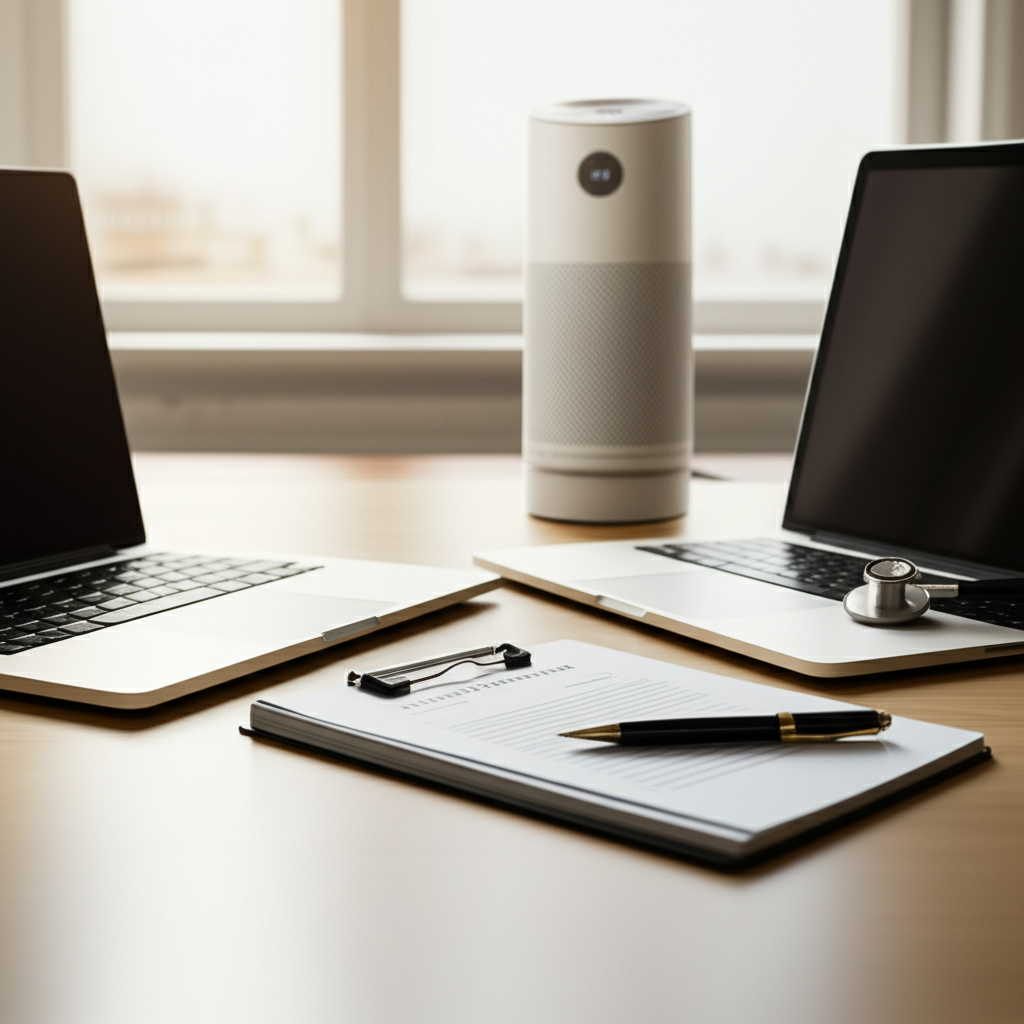
Generally, a prescription for an air purifier is issued when the device is necessary to alleviate symptoms of diagnosed medical conditions. These often include severe allergies, asthma, or other chronic respiratory illnesses where poor indoor air quality exacerbates the problem. Your doctor will assess if an air purifier is a crucial part of your treatment plan.
The Role of Medical Necessity
Medical necessity is the cornerstone of obtaining a prescription for an air purifier. It means the device is required to treat a diagnosed illness or injury and is not simply for general comfort or convenience. Documenting this necessity is vital for any insurance claims or tax deductions.
How to Get a Prescription for an Air Purifier
The path to getting a prescription for an air purifier starts with a conversation with your healthcare provider. Be prepared to discuss your symptoms, how they are affected by your indoor environment, and any existing treatments you’re undergoing.
Consulting Your Doctor
Schedule an appointment with your primary care physician or a specialist, such as an allergist or pulmonologist. Clearly explain how your respiratory health is impacted by your home environment and the potential benefits you believe an air purifier could offer. Bring any relevant medical records or test results to support your case.
Documenting Your Symptoms and Triggers
Keep a detailed log of your symptoms, including when they occur, their severity, and potential triggers. Note if your symptoms improve when you are away from your home environment. This documentation will be invaluable when discussing your situation with your doctor.
The Doctor’s Assessment and Recommendation
Your doctor will review your medical history, symptoms, and any provided documentation. They may also recommend allergy testing or pulmonary function tests to further assess your condition. If they agree that an air purifier is medically necessary, they can then provide a formal recommendation or prescription.
Air Purifiers as Medical Equipment
When prescribed, air purifiers can sometimes be classified as medical equipment. This classification can open doors to specific benefits, though it’s not universally applied to all air purifiers. The type and features of the unit may influence this classification.
Types of Air Purifiers and Medical Needs
Certain air purifiers are better suited for medical needs. HEPA (High-Efficiency Particulate Air) filters are highly effective at capturing allergens like dust mites, pollen, and pet dander, which are common asthma and allergy triggers. Activated carbon filters can help remove odors and volatile organic compounds (VOCs).
Insurance Coverage and Reimbursement
Whether your insurance covers a prescribed air purifier depends on your specific plan and the insurer’s policies. Some plans may cover a portion of the cost if the device is deemed medically necessary. It’s crucial to contact your insurance provider directly to inquire about coverage for prescribed air purifiers.
Tax Deductions for Medical Expenses
In many regions, prescribed medical equipment can be eligible for tax deductions as a medical expense. Consult with a tax professional to understand if your prescribed air purifier qualifies and how to claim the deduction. This can provide significant financial relief.
Finding the Right Air Purifier with a Prescription
Once you have a prescription, you may have specific requirements for the air purifier. This often involves features that cater to medical necessity, such as certified HEPA filtration and appropriate sizing for your living space.
Key Features to Look For
When selecting an air purifier with a prescription, prioritize units with true HEPA filters that capture 99.97% of particles as small as 0.3 microns. Look for activated carbon filters to address odors and gases. Energy efficiency and quiet operation are also important considerations for continuous use.
Comparing Top Air Purifier Brands for Medical Use
Several brands offer high-quality air purifiers suitable for medical needs. Brands like Coway are often praised for their effective filtration systems and user-friendly designs. Blueair is another reputable brand known for its performance in allergy and asthma relief. Researching models that meet your specific medical requirements is key.
| Brand | Key Features for Medical Needs | Potential Benefits |
|—|—|—|
| Coway | True HEPA filter, Activated Carbon filter, Air quality sensors | Excellent for allergy and asthma sufferers |
| Blueair | HEPASilent™ technology, Carbon filter, Smart features | Efficient particle capture, odor reduction |
| Levoit | True HEPA filter, Activated Carbon filter, Quiet operation | Affordable option for bedrooms |
Understanding CADR and Room Size
Clean Air Delivery Rate (CADR) indicates how quickly an air purifier cleans a room. Ensure the CADR rating is appropriate for the size of the room where you intend to use the purifier. A higher CADR generally means faster air cleaning.
Navigating the Process: A Step-by-Step Approach
To simplify the process, follow these straightforward steps to obtain a prescription and acquire a suitable air purifier. This structured approach ensures you cover all necessary bases.
1. Schedule a Doctor’s Visit: Discuss your respiratory symptoms and concerns about indoor air quality.
2. Provide Detailed Information: Share your symptom log and any relevant medical history.
3. Discuss Air Purifiers: Ask your doctor if an air purifier could be beneficial and if they can provide a prescription.
4. Obtain a Prescription/Letter of Medical Necessity: Ensure the document clearly states the medical reason for the device.
5. Research Air Purifier Models: Choose a unit with certified HEPA filters and appropriate CADR for your space.
6. Contact Your Insurance Provider: Inquire about coverage and reimbursement for prescribed air purifiers.
7. Consult a Tax Professional: Determine eligibility for tax deductions as a medical expense.
Benefits of Using a Prescribed Air Purifier
Beyond potential financial advantages, a prescribed air purifier offers direct health benefits by improving your indoor environment. These improvements can lead to a significant reduction in symptom severity and an overall better quality of life.
Improved Respiratory Health
By removing airborne irritants like dust, pollen, mold spores, and pet dander, air purifiers can significantly reduce exposure to allergens and pollutants. This can lead to fewer asthma attacks, less severe allergy symptoms, and easier breathing for individuals with respiratory conditions.
Reduced Allergy and Asthma Symptoms
For those suffering from allergies or asthma, a high-quality air purifier can be a game-changer. It actively filters out the microscopic particles that trigger reactions, providing a cleaner, healthier environment that promotes symptom relief and reduces reliance on medication.
Enhanced Overall Well-being
Breathing cleaner air contributes to better sleep, increased energy levels, and improved focus. When your body isn’t constantly fighting off airborne irritants, you can experience a general uplift in your overall well-being and daily comfort.
When an Air Purifier Might Not Require a Prescription
It’s important to note that you don’t always need a prescription to purchase an air purifier. For many individuals, air purifiers are simply a valuable tool for improving general indoor air quality without a specific medical diagnosis driving the need.
Improving General Indoor Air Quality
Even without a diagnosed respiratory condition, an air purifier can be beneficial. It can help reduce common indoor pollutants such as smoke, cooking fumes, VOCs from cleaning products and furniture, and even airborne viruses. This makes your home a healthier place for everyone.
Choosing a High-Quality Air Purifier Without a Prescription
When buying without a prescription, focus on features that align with your household’s needs. Consider the size of your rooms, potential allergens or pollutants present, and desired noise levels. Reading reviews from reputable sources can help guide your decision-making process.
Frequently Asked Questions (FAQ)
Here are answers to some common questions about getting a prescription for an air purifier.
Can my allergist prescribe an air purifier?
Yes, an allergist is a specialist who can assess your allergies and determine if an air purifier is medically necessary for your treatment plan, potentially issuing a prescription.
What if my insurance doesn’t cover air purifiers?
Even if insurance doesn’t cover it, a doctor’s prescription or letter of medical necessity can still be valuable for tax deductions as a medical expense.
Are air purifiers effective against COVID-19?
While air purifiers can help reduce airborne virus particles, including SARS-CoV-2, they are not a standalone solution for preventing COVID-19. They should be used in conjunction with other public health measures.
Do I need a specific type of air purifier for a prescription?
Your doctor may recommend specific features, such as a true HEPA filter, based on your medical condition. However, the prescription itself is for the need of the device, not necessarily a specific model.
How do I prove medical necessity to my insurance?
You typically provide the prescription or letter of medical necessity from your doctor along with the claim. It’s best to contact your insurance provider beforehand to understand their specific documentation requirements.
Conclusion
Ultimately, the question of can you get a prescription for an air purifier is answered with a resounding yes, under specific medical circumstances. By consulting your doctor, documenting your symptoms, and understanding the process, you can potentially secure a prescription that not only validates the need for cleaner air but also opens doors to financial benefits. Investing in a quality air purifier, especially when prescribed, is an investment in your health and well-being, ensuring you breathe easier in your own home.


