
Can Humidifier Be Used With Air Purifier: Essential Guide

Can Humidifier Be Used With Air Purifier: Essential Guide
Yes, you can often use a humidifier and an air purifier together, but it’s crucial to understand how to do it safely and effectively to maximize their benefits for your home’s air quality.
As a fellow homeowner striving for the healthiest indoor environment, I know the struggle of managing both dry air and airborne irritants. You might be wondering if combining a humidifier and an air purifier is a good idea, or even possible. The good news is, it often is! This guide will walk you through everything you need to know to make this powerful duo work for you, ensuring cleaner, more comfortable air without any hassle.
The Synergy of Humidifiers and Air Purifiers
Using a humidifier and an air purifier together can create a superior indoor air quality environment. Air purifiers tackle airborne pollutants like dust, pollen, and pet dander, while humidifiers combat dry air, which can cause discomfort and exacerbate respiratory issues. When used correctly, these devices complement each other, offering a holistic approach to a healthier home.
Understanding Air Purifiers
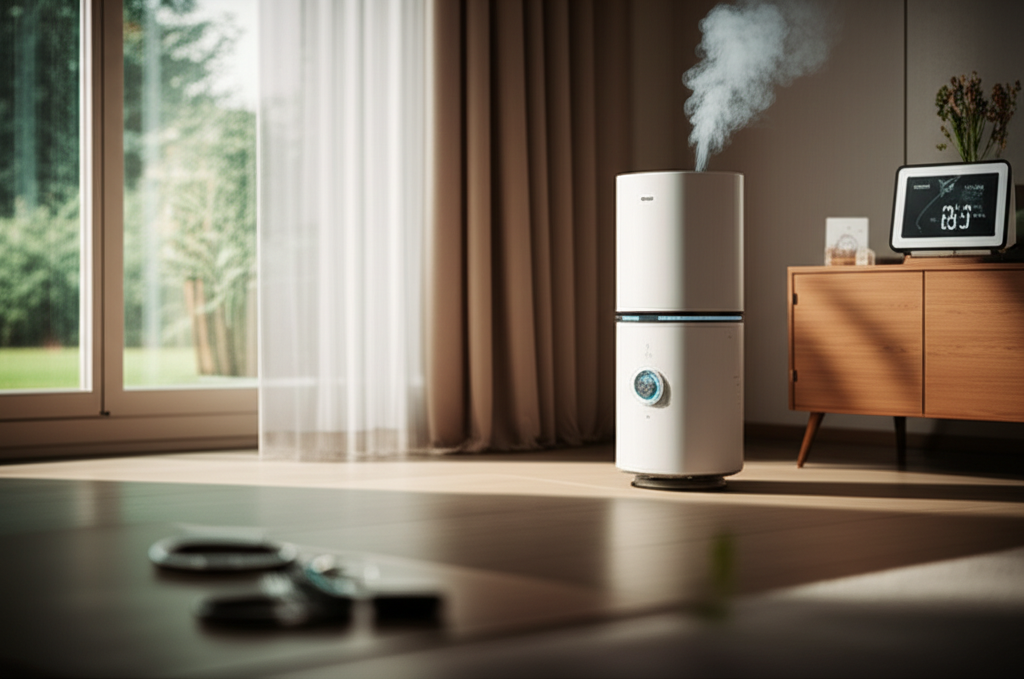
Air purifiers are designed to remove contaminants from the air. They typically use filters, such as HEPA (High-Efficiency Particulate Air) filters, to capture tiny particles that can affect respiratory health and comfort. These devices are essential for reducing allergens and improving overall air freshness.
How Air Purifiers Work
Air purifiers draw in room air, pass it through a series of filters, and then release cleaner air back into the room. The most common filters include pre-filters for larger particles, HEPA filters for microscopic allergens, and activated carbon filters for odors and VOCs (Volatile Organic Compounds). Understanding the filtration system helps in choosing the right purifier for your needs.
Understanding Humidifiers
Humidifiers add moisture to the air, increasing the humidity level. This is particularly beneficial in dry climates or during winter months when heating systems can strip moisture from the air. Proper humidity levels can alleviate dry skin, sore throats, and even help reduce the static electricity that plagues many homes.
Types of Humidifiers
There are several types of humidifiers, including evaporative, ultrasonic, and steam vaporizers. Evaporative humidifiers use a fan to blow air through a wet wick or filter. Ultrasonic humidifiers use high-frequency vibrations to create a cool mist. Steam vaporizers boil water to release warm mist. Each type has its pros and cons regarding maintenance, energy consumption, and the type of mist produced.
Can Humidifier Be Used With Air Purifier: The Key Considerations
The question of can humidifier be used with air purifier is a common one, and the answer is generally yes, but with important caveats. The primary concern is ensuring that the humidifier’s mist doesn’t negatively impact the air purifier’s filtration system or create an environment conducive to mold growth. Proper placement and maintenance are paramount.
Potential Benefits of Combined Use
Combining a humidifier and an air purifier can offer significant benefits. Reduced dry air symptoms like itchy skin and dry nasal passages are immediate advantages. Furthermore, some studies suggest that maintaining optimal humidity levels can make it harder for airborne viruses to spread, as they tend to survive better in very dry conditions. This dual action creates a more comfortable and potentially healthier living space.
Potential Drawbacks and Risks
However, improper combined use can lead to problems. Over-humidification, often caused by running both devices too intensely or too close together, can promote mold and mildew growth. If a humidifier releases minerals into the air (especially from hard water), these can potentially clog or damage the sensitive filters within an air purifier, reducing its efficiency and lifespan. This is a critical point when considering can humidifier be used with air purifier.
Best Practices for Using Both Devices Together
To safely and effectively use a humidifier and an air purifier together, follow these essential best practices. The goal is to achieve optimal air quality without introducing new problems. Proper setup and consistent upkeep are your best allies here.
Strategic Placement in Your Home
The distance between your humidifier and air purifier is crucial. Avoid placing them directly next to each other. A general recommendation is to keep them at least 3 to 5 feet apart. This allows both devices to function optimally without interfering with each other’s air intake or output. Consider placing them in different areas of the same room or in separate, but nearby, rooms.
Monitoring Humidity Levels
It’s vital to monitor your home’s humidity levels to prevent over-humidification. Use a hygrometer, a small device that measures humidity, to keep track. The ideal indoor humidity level is typically between 40% and 60%. If your humidifier is running continuously or your hygrometer shows levels consistently above 60%, it’s time to adjust the humidifier’s setting or turn it off.
Choosing the Right Humidifier Type
When pairing with an air purifier, consider the type of humidifier you use. Ultrasonic and impeller humidifiers can disperse minerals from tap water into the air, creating “white dust” that can settle on surfaces and potentially impact air purifier filters. Using distilled or demineralized water in these types of humidifiers is highly recommended. Evaporative humidifiers are generally less likely to cause this issue as they use a wick filter.
Maintaining Your Devices
Regular maintenance is non-negotiable for both your humidifier and air purifier. Clean your humidifier’s tank and components regularly according to the manufacturer’s instructions to prevent bacterial growth and mineral buildup. For your air purifier, clean or replace the filters as recommended. A clogged filter in an air purifier will significantly reduce its effectiveness.
Can Humidifier Be Used With Air Purifier: Step-by-Step Integration
Integrating your humidifier and air purifier into your home’s routine is straightforward when you follow a few simple steps. This ensures you get the maximum benefit from both devices. Let’s get your air quality system running smoothly.
Step 1: Assess Your Air Quality Needs
First, identify your primary concerns. Are you dealing with dry air, allergies, or both? A hygrometer will help you understand your current humidity levels. Knowing what you need to address will guide your device settings and placement.
Step 2: Choose Your Devices Wisely
If you haven’t purchased them yet, consider models that are designed for whole-room coverage. Look for air purifiers with multi-stage filtration, including HEPA and activated carbon. For humidifiers, ultrasonic models with demineralization cartridges or evaporative types are often good choices when used with air purifiers.
Step 3: Strategic Placement Strategy
As mentioned, place your humidifier and air purifier at a safe distance from each other, ideally on opposite sides of the room or in different areas. Ensure both have unobstructed airflow to operate efficiently. Avoid placing them near windows or air vents, which can disrupt their performance.
Step 4: Fill and Operate Your Humidifier
Use distilled or demineralized water in your humidifier, especially if you have an ultrasonic model, to prevent white dust. Set your humidifier to maintain a humidity level between 40% and 60%, monitoring with a hygrometer. Start with a lower setting and adjust as needed.
Step 5: Power On Your Air Purifier
Turn on your air purifier and set it to an appropriate fan speed for your room size and air quality needs. Many air purifiers have automatic modes that adjust based on detected air quality, which can be very convenient. Ensure it’s running consistently to capture airborne pollutants.
Step 6: Monitor and Adjust
Regularly check your hygrometer and the performance of both devices. If you notice excessive condensation on windows or a musty smell, reduce the humidifier’s output. If your air purifier seems less effective or you notice dust buildup on its exterior, check its filters and clean or replace them as needed.
Optimizing Performance: Humidifier and Air Purifier Settings
Fine-tuning the settings on both your humidifier and air purifier is key to maximizing their benefits. This ensures you’re not just running them, but running them smartly. Let’s look at how to get the best out of your devices.
Ideal Humidity Range
The sweet spot for indoor humidity is between 40% and 60%. Below 40%, you’ll likely experience symptoms of dry air. Above 60%, you risk encouraging mold, mildew, and dust mites. Your humidifier should be set to maintain this range, and a hygrometer is your best tool for accurate monitoring.
Air Purifier Fan Speed and Modes
Most air purifiers offer multiple fan speeds. A lower setting is quieter and uses less energy, suitable for continuous use or overnight. Higher settings are more effective for quickly cleaning the air during periods of high pollution or when you have guests. Auto modes can be very helpful, allowing the purifier to adapt to changing air quality conditions.
Humidifier Mist Output and Type
Adjusting the mist output on your humidifier is crucial for maintaining the target humidity level. If your model allows, choose a cool mist setting for general use, as warm mist can increase energy consumption. As noted, ultrasonic and impeller models benefit greatly from distilled water to prevent mineral dispersal.
Troubleshooting Common Issues When Using Both
Even with the best intentions, you might encounter a few hiccups. Knowing how to troubleshoot common problems ensures you can quickly get back to enjoying optimal air quality. Don’t let a small issue derail your efforts.
White Dust from Humidifier
If you notice a fine white dust settling on your furniture, it’s likely mineral deposits from your tap water being dispersed by an ultrasonic humidifier. The solution is to switch to distilled or demineralized water. Some humidifiers also have demineralization cartridges that can help mitigate this.
Mold or Mildew Growth
This is a clear sign of over-humidification. If you see or smell mold, immediately reduce your humidifier’s output or turn it off. Ensure your home has good ventilation, and clean any visible mold with a bleach solution. Always keep humidity levels below 60%.
Reduced Air Purifier Effectiveness
If your air purifier seems to be struggling, check its filters. Dirty or clogged filters are the most common culprit. If you’ve been using tap water in an ultrasonic humidifier, mineral buildup on the purifier’s filters might be the cause. Clean or replace the filters, and switch to distilled water for your humidifier.
Unpleasant Odors
A musty smell can indicate bacterial growth in the humidifier’s tank or a dirty air filter. Clean your humidifier thoroughly according to the manufacturer’s instructions. For air purifiers, replace the HEPA and carbon filters if they are old or have absorbed odors.
Choosing the Right Devices: A Comparative Look
Selecting the right air purifier and humidifier is crucial for their successful combined use. Here’s a look at factors to consider, helping you make informed choices.
| Feature | Air Purifier | Humidifier | Considerations for Combined Use |
| :—————- | :—————————————– | :——————————————- | :———————————————————————————————- |
| Primary Function | Removes airborne pollutants | Adds moisture to the air | Both address different aspects of air quality for a healthier environment. |
| Key Technology | HEPA filters, Activated Carbon, Ionizers | Evaporation, Ultrasonic vibration, Steam | Ultrasonic humidifiers may disperse minerals, impacting purifier filters. |
| Maintenance | Filter replacement/cleaning | Tank cleaning, descaling | Regular maintenance of both is essential to prevent issues like mold or reduced efficiency. |
| Water Usage | N/A | Uses tap, distilled, or demineralized water | Using distilled/demineralized water in humidifiers is key to preventing “white dust.” |
| Humidity Impact | Minimal direct impact | Directly increases humidity | Over-humidification is a risk when using both; monitor levels with a hygrometer. |
Many modern air purifiers, like those from brands such as Blueair or Coway, are designed with advanced filtration systems that are quite robust. Similarly, brands like Honeywell or Levoit offer a range of humidifiers, with some models being more suitable for use with air purifiers due to their design or the type of mist they produce. For example, a Honeywell HCM350W, an evaporative humidifier, is often a good choice.
Frequently Asked Questions
Do I need to run my humidifier and air purifier at the same time?
You can run them at the same time, but it’s essential to manage humidity levels to prevent over-humidification. Monitor your home’s humidity with a hygrometer and adjust settings as needed.
Will my air purifier damage my humidifier?
No, your air purifier will not damage your humidifier. The concern is the other way around: minerals from some humidifiers could potentially affect air purifier filters.
Can I put my humidifier on top of my air purifier?
It’s generally not recommended to place a humidifier directly on top of an air purifier. This can obstruct airflow for both devices and potentially lead to moisture damage to the air purifier’s electronics.
What kind of water should I use in my humidifier when I also have an air purifier?
It’s best to use distilled or demineralized water in your humidifier, especially if it’s an ultrasonic model. This prevents mineral dust from being released into the air, which can settle on surfaces and potentially impact your air purifier’s filters.
How far apart should my humidifier and air purifier be?
To ensure optimal performance and prevent interference, place them at least 3 to 5 feet apart. This allows for proper air circulation for both units.
Can using both devices together increase the risk of mold?
Yes, if you over-humidify your home by running the humidifier too intensely or continuously without monitoring. Always aim for a humidity level between 40% and 60%.
Conclusion: A Healthier Home Environment Awaits
In conclusion, the question of can humidifier be used with air purifier is answered with a resounding ‘yes, with caution and care.’ By understanding the potential benefits and pitfalls, and by implementing best practices such as strategic placement, humidity monitoring, and diligent maintenance, you can effectively use both devices to create a significantly healthier and more comfortable indoor environment. Your journey to cleaner, more balanced air is well within reach.

