Can Honeywell Air Purifier Filters Be Washed? Essential Guide

No, most Honeywell air purifier filters cannot be washed. Washing can damage their delicate structure and reduce their effectiveness, requiring replacement instead. This guide explains which types are washable and how to properly care for your Honeywell air purifier.
The question of whether you can wash your Honeywell air purifier filters is a common one, especially when you’re looking to save money or simply keep your unit running smoothly. It’s frustrating to find out your filter might be ruined by a simple rinse. But don’t worry, I’m here to clear up the confusion and guide you through the best practices for maintaining your Honeywell air purifier’s filters. We’ll explore which filters you can and cannot wash, and what to do instead.
Understanding Honeywell Air Purifier Filter Types
Honeywell offers a range of air purifiers, and the type of filter they use is crucial in determining if washing is an option. Generally, HEPA filters, which are designed to capture 99.97% of airborne particles, are not washable. Their intricate fiber structure can be compromised by water.
HEPA Filters: The Non-Washable Heroes
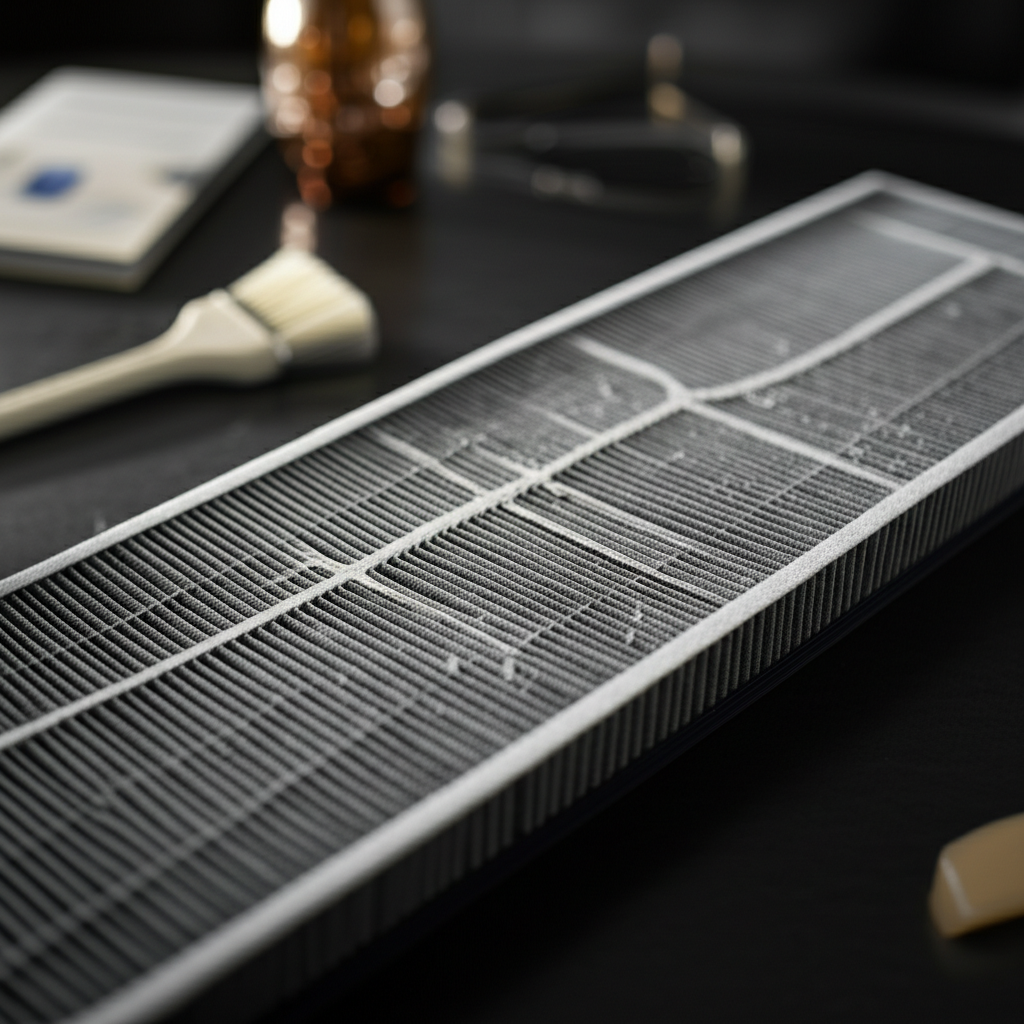
True HEPA filters are engineered with microscopic pores to trap even the smallest allergens and pollutants. Washing these filters can flatten these pores, rendering them ineffective at capturing fine particles. This means they require regular replacement to maintain optimal air purification performance.
Pre-Filters: Sometimes Washable, Always Check
Many Honeywell air purifiers feature a pre-filter, often a mesh-like layer designed to catch larger particles like pet hair and dust bunnies. This pre-filter is sometimes washable. Always refer to your specific Honeywell model’s user manual to confirm if your pre-filter can be cleaned with water.
Carbon Filters: Delicate and Usually Not Washable
Activated carbon filters are essential for odor removal and trapping VOCs. These filters are typically made from porous carbon granules that absorb impurities. Water can saturate and damage the carbon’s structure, reducing its absorptive capacity, so they are generally not meant to be washed.
Why Washing Some Filters Isn’t Recommended
Washing filters that aren’t designed for it can lead to a cascade of problems, impacting both your air quality and the longevity of your appliance. It’s a common misconception that a simple rinse can extend a filter’s life.
Damage to Filter Media
The delicate fibers that make up HEPA and carbon filters can be easily damaged by water. This damage can create gaps or alter the pore size, allowing pollutants to pass through. This directly undermines the purifier’s core function.
Reduced Filtration Efficiency
Even if a filter appears intact after washing, its ability to capture tiny particles can be significantly reduced. The water can clog the pores or wash away the electrostatic charge that helps attract particles. This leads to less clean air for your home.
Mold and Mildew Growth
If a washable filter is not dried completely and thoroughly before being reinserted, it can become a breeding ground for mold and mildew. This is counterproductive, as it will then circulate these harmful spores into your air. Always ensure filters are bone dry.
Identifying Your Honeywell Air Purifier Filter
To properly care for your Honeywell air purifier, you first need to know what kind of filters it uses. Your user manual is your best friend here. It will detail the specific filter types and their recommended maintenance.
Checking Your User Manual
Your Honeywell air purifier’s user manual is the definitive source of information. It will clearly state whether your filters are washable, replaceable, or require a specific cleaning method. You can usually find digital copies on the Honeywell Home website if you no longer have the physical copy.
Visual Inspection of Filters
Take a close look at your filters. HEPA filters often have a tightly woven, paper-like appearance. Pre-filters are usually made of a coarser material, like a mesh or fabric. Carbon filters can look like a black, granular-filled material.
How to Clean Washable Honeywell Pre-Filters
If your Honeywell air purifier has a washable pre-filter, cleaning it is straightforward. This simple maintenance can help extend the life of your main HEPA filter by capturing larger debris first.
Step-by-Step Cleaning Process
1. Remove the pre-filter: Gently slide or unclip the pre-filter from your air purifier unit.
2. Rinse under cool water: Hold the pre-filter under a stream of cool, running water. Avoid hot water, as it can damage some materials.
3. Gently agitate: Lightly rub the pre-filter with your fingers to dislodge trapped dust and debris. Do not scrub vigorously.
4. Rinse thoroughly: Ensure all soap residue (if used) and loosened dirt are completely washed away.
5. Dry completely: Pat the pre-filter dry with a clean towel and then allow it to air dry thoroughly in a well-ventilated area. It must be completely dry before reinstallation.
Drying and Reinstallation
Proper drying is critical. Any residual moisture can lead to mold or mildew. Once you’re certain the pre-filter is bone dry, carefully slide or clip it back into its designated slot in the air purifier.
When to Replace Honeywell Air Purifier Filters
Even with proper care, air purifier filters have a finite lifespan. They become saturated with pollutants and their effectiveness diminishes over time. Knowing when to replace them is key to ensuring your purifier continues to work efficiently.
Signs Your Filter Needs Replacement
Common indicators include a noticeable decrease in air quality, increased dust accumulation around the unit, or unusual odors. Many Honeywell models also feature filter replacement indicators that will illuminate when it’s time for a change.
Recommended Replacement Schedule
Honeywell typically recommends replacing HEPA filters every 6 to 12 months, depending on usage and air quality. Pre-filters, if washable, can be cleaned as needed, but if they are not washable, they might also have a similar replacement schedule. Always consult your manual for specifics.
The Importance of Genuine Honeywell Filters
Using genuine Honeywell replacement filters is highly recommended for optimal performance and to protect your appliance. Aftermarket filters may not meet the same quality and efficiency standards.
Why Genuine Matters
Genuine Honeywell filters are specifically designed and tested for your model. They ensure the correct fit and maintain the air purifier’s certified performance levels. Using non-genuine filters can void your warranty and may not filter air as effectively.
Where to Purchase Authentic Filters
You can purchase authentic Honeywell replacement filters directly from the Honeywell Home website or from authorized retailers. Be wary of third-party sellers offering significantly lower prices, as they may be selling counterfeit products.
Alternative Cleaning Methods for Non-Washable Filters
While washing is generally a no-go for most Honeywell filters, there are some gentle methods to help extend their life or maintain their performance slightly. These should be done with extreme caution.
Gentle Vacuuming
For HEPA filters, a very gentle vacuuming with a soft brush attachment can help remove surface dust and prolong their usability between replacements. Be extremely careful not to press too hard or damage the filter media.
Tapping Out Dust
For some types of carbon pre-filters or if your manual suggests it, you might be able to gently tap the filter against a trash can to dislodge loose dust. Again, consult your manual before attempting this.
Troubleshooting Common Honeywell Filter Issues
Sometimes, even with the best care, you might encounter issues with your Honeywell air purifier filters. Understanding these problems can help you resolve them quickly.
Filter Not Fitting Properly
If a replacement filter doesn’t seem to fit correctly, double-check that you have the correct filter model for your specific Honeywell air purifier. Ensure no packaging material is obstructing the fit.
Air Purifier Not Working After Filter Change
Ensure the filter is correctly installed and that all protective coverings have been removed from the new filter. Some units may require a reset of the filter indicator light after replacement.
FAQs About Honeywell Air Purifier Filters
Here are answers to some of the most frequently asked questions about cleaning and maintaining your Honeywell air purifier filters.
Can I wash my Honeywell HEPA filter?
No, it is not recommended to wash Honeywell HEPA filters. Washing can damage the delicate fibers and reduce their ability to capture fine particles, compromising air purification.
How often should I replace my Honeywell air purifier filters?
Honeywell generally recommends replacing HEPA filters every 6 to 12 months, depending on usage and air quality. Pre-filters, if washable, can be cleaned regularly. Always check your user manual for specific recommendations.
What happens if I wash a filter that shouldn’t be washed?
Washing a non-washable filter can ruin its filtration capabilities, potentially allowing more pollutants into your air. It can also lead to mold growth if not dried properly, and may damage your air purifier.
How do I know which filter model I need?
Check the model number of your Honeywell air purifier. This information is usually found on a sticker on the back or bottom of the unit. You can then use this model number to find the correct replacement filters on the Honeywell Home website or from authorized retailers.
Can I use a generic filter instead of a Honeywell brand filter?
While generic filters might fit, they may not offer the same level of filtration efficiency or durability as genuine Honeywell filters. Using non-genuine filters could also potentially void your warranty.
My Honeywell air purifier has an odor, is it the filter?
Often, an unpleasant odor from your air purifier indicates that the activated carbon filter is saturated and needs to be replaced. If your unit has a combined HEPA and carbon filter, you’ll need to replace the entire unit.
Conclusion: Filter Care for Cleaner Air
Ultimately, the answer to “can Honeywell air purifier filters be washed” leans towards no for most types, especially the crucial HEPA filters. Prioritizing genuine, correctly sized filters and adhering to the manufacturer’s replacement schedule is the most effective way to ensure your Honeywell air purifier consistently delivers clean, healthy air. While washable pre-filters offer a way to reduce waste and cost, the integrity of your HEPA filter is paramount for true air purification. Always refer to your specific Honeywell model’s manual for the most accurate guidance on filter maintenance and replacement.