
3M PAPR: Proven Essential for Clean Air Education

3M PAPR: Proven Essential for Clean Air Education
A 3M PAPR powered air purifying respirator offers superior protection, making it an indispensable tool for comprehensive clean air education. It ensures individuals receive accurate, hands-on experience with advanced respiratory safety, fostering a deeper understanding of air quality and health. This guide will show you why it’s a vital component for any educational setting focused on respiratory wellness.
Understanding and prioritizing clean air is more critical than ever. Many environments, from classrooms to laboratories and healthcare facilities, can harbor airborne contaminants that pose risks to health. Educating individuals about these risks and the best ways to protect themselves is paramount. However, theoretical knowledge only goes so far. Practical, hands-on experience is key to truly grasping the importance of respiratory protection. This is where a 3M PAPR powered air purifying respirator emerges as a truly essential tool. It provides a tangible, reliable way to demonstrate and experience superior air purification, making clean air education not just informative, but also impactful and memorable. Let’s explore why this advanced respiratory equipment is a game-changer.
Why Clean Air Education Matters Today
The air we breathe directly impacts our well-being, yet it’s often overlooked. Airborne particles, allergens, and pathogens can affect everyone, especially in shared or compromised environments. Effective clean air education empowers individuals with knowledge and tools to safeguard their health. It’s about building awareness and promoting proactive measures for a healthier life. Understanding these concepts requires more than just reading; it needs demonstration.
Introducing the 3M PAPR: A Superior Solution
A 3M PAPR powered air purifying respirator stands out as a top-tier respiratory protection device. Unlike basic masks, it actively draws in ambient air, filters it through advanced cartridges, and delivers clean, breathable air to the user. This powered system ensures a consistent flow of purified air, offering a significantly higher level of protection. It’s designed for comfort and effectiveness, making it ideal for extended use.
How a 3M PAPR Works
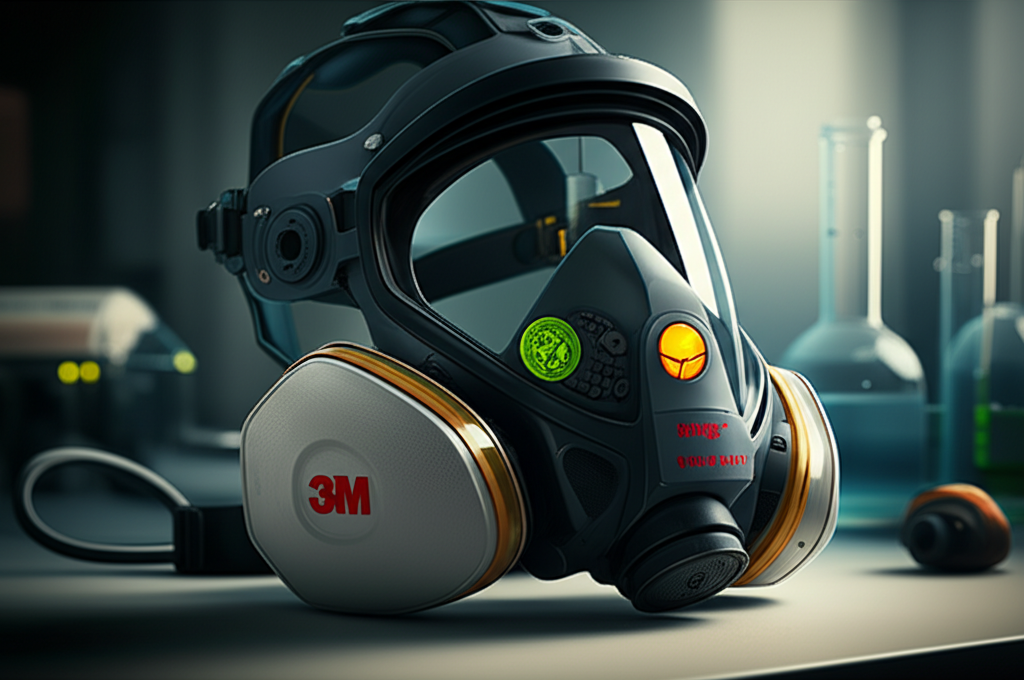
The core of a 3M PAPR powered air purifying respirator is its motor-driven fan. This fan pulls air through a series of filters, removing particulates, gases, and vapors. The filtered air is then channeled to a comfortable headpiece, such as a hood or helmet, creating a positive pressure environment. This positive pressure helps prevent contaminants from leaking into the breathing zone, ensuring superior protection. The continuous airflow also reduces breathing resistance.
Key Components of a 3M PAPR System
A typical 3M PAPR powered air purifying respirator system includes several key parts. These are the blower unit, the filter cartridges, the battery pack, and the head covering (hood, helmet, or half-mask). Each component plays a crucial role in delivering clean air. The blower provides the airflow, filters purify the air, the battery powers the system, and the head covering ensures a secure fit and delivery of filtered air. Understanding these parts helps in appreciating the technology.
The Blower Unit: The Heart of the System
The blower unit is the engine of the PAPR. It houses a small, quiet motor and fan that continuously draws air through the filters. Its efficiency and reliability are paramount to the system’s performance. Different 3M models offer varying airflow rates, catering to different needs and environments. This component is engineered for durability and consistent operation.
Filter Cartridges: Tailored Protection
3M offers a wide range of filter cartridges designed for specific contaminants. These can include particulate filters (like P100), chemical cartridges for gases and vapors, or combination filters. The selection of the right filter is critical for effective protection against the hazards present. Proper training on filter selection is a vital part of clean air education. You can find more information on 3M’s extensive filter offerings on their official website.
Head Coverings: Comfort and Seal
The head covering is what the user wears, delivering the filtered air. Options range from disposable hoods and loose-fitting face shields to tight-fitting half or full-face masks. The choice depends on the level of protection required and user preference. A good seal is essential for preventing ambient air from entering. This ensures the PAPR’s full protective capabilities are realized.
3M PAPR in Educational Settings
Incorporating a 3M PAPR powered air purifying respirator into educational programs elevates the learning experience. It allows students and trainees to directly experience the benefits of advanced respiratory protection. This hands-on approach makes abstract concepts about air quality and safety tangible. It fosters a deeper understanding and respect for protective equipment. Such practical exposure is invaluable for future professionals.
Demonstrating Air Quality Impact
In science classes or environmental health programs, a PAPR can vividly illustrate the presence of unseen airborne particles. By wearing a PAPR in different environments, students can feel the difference in air quality. This experiential learning makes lessons on pollution, allergens, and pathogens far more impactful. It underscores the importance of maintaining clean air in schools and workplaces. This practical demonstration can be powerful.
Training for Hazardous Environments
For vocational training in fields like healthcare, construction, or industrial hygiene, a 3M PAPR powered air purifying respirator is indispensable. It allows trainees to practice procedures in simulated hazardous conditions safely. They learn proper donning, doffing, and maintenance procedures under realistic circumstances. This ensures they are well-prepared for real-world challenges. Experiencing the comfort and protection offered by a PAPR builds confidence.
Promoting Health and Safety Awareness
Beyond specific training, PAPRs can be used in general health and safety awareness campaigns. Demonstrating how a PAPR works can highlight the risks associated with poor air quality. It encourages individuals to be more mindful of their respiratory health and to seek appropriate protection when needed. This proactive approach can prevent many respiratory illnesses. It empowers individuals to take control of their environment.
Benefits of Using a 3M PAPR for Education
The advantages of using a 3M PAPR powered air purifying respirator in educational contexts are numerous. It provides a high level of protection, ensures user comfort, and offers a tangible learning experience. This combination makes it an unparalleled tool for effective clean air education. Its durability and reliability also make it a cost-effective choice for institutions over time. Let’s delve into these benefits.
Unmatched Respiratory Protection
PAPRs offer a significantly higher Assigned Protection Factor (APF) than disposable respirators or half-mask respirators. This means they provide a more reliable barrier against a wider range of airborne contaminants. For educational purposes, this high level of protection ensures that participants are safe while learning about potentially hazardous materials or environments. This is critical for building trust in the educational process.
Enhanced User Comfort and Communication
Modern PAPRs, including those from 3M, are designed for comfort during prolonged wear. The continuous airflow helps reduce heat and moisture buildup inside the head covering. Furthermore, many PAPR systems allow for easier communication compared to tight-fitting respirators. This is crucial in educational settings where instructors need to explain concepts clearly. Comfortable users are more engaged learners.
Experiential Learning and Retention
As mentioned, the ability to physically wear and operate a 3M PAPR powered air purifying respirator creates a powerful learning experience. This tactile engagement enhances understanding and improves knowledge retention. Students are more likely to remember the importance of air quality and protection when they have personally experienced it. This hands-on method is far more effective than passive learning alone. It makes the lessons stick.
Choosing the Right 3M PAPR Model
3M offers a diverse range of PAPR systems, each suited for different applications. Selecting the appropriate model is key to maximizing its effectiveness in an educational setting. Factors like the type of contaminants, the duration of use, and user comfort should guide the decision. Consulting with safety professionals or 3M representatives can help identify the best fit. Making an informed choice ensures optimal performance and safety.
Factors to Consider
When selecting a 3M PAPR powered air purifying respirator for educational use, consider the following:
- Type of Hazards: Are you protecting against particulates, gases, vapors, or a combination?
- Airflow Rate: Higher airflow can provide greater comfort and protection in certain situations.
- Head Covering Type: Hoods, helmets, or masks – choose based on comfort and required protection level.
- Battery Life: Ensure the battery can last through training sessions.
- Ease of Use and Maintenance: Simple operation and cleaning are beneficial for educational environments.
Popular 3M PAPR Series
3M offers several well-regarded PAPR series, such as the Versaflo™ line. These systems are known for their versatility, comfort, and robust performance. They often feature modular designs, allowing for customization with different head coverings and filter types. Exploring the specifications of these series will help in making a selection. You can find detailed product information on the official 3M Respiratory Protection website.
Maintaining Your 3M PAPR for Longevity
Proper maintenance is essential to ensure the continued performance and safety of any 3M PAPR powered air purifying respirator. Regular cleaning, inspection, and timely replacement of parts will extend its lifespan and guarantee its effectiveness. This also reinforces good safety practices among users. A well-maintained PAPR is a reliable tool for education and protection.
Cleaning and Storage Procedures
After each use, PAPR components should be cleaned according to the manufacturer’s instructions. Typically, this involves wiping down the blower unit and head covering with a mild detergent and water. Filters should never be washed unless specifically designed for it; they are usually replaced. Proper storage in a clean, dry place protects the equipment from damage and contamination. Adhering to these steps is crucial.
Filter and Battery Replacement
Filters have a limited lifespan and must be replaced when they become loaded with contaminants or reach their expiration date. Battery packs also degrade over time and need to be replaced. Following the replacement schedule outlined in the user manual is vital for maintaining the required level of protection. This ensures the PAPR consistently delivers purified air. Referencing the NIOSH PAPR Training Guide can provide further insights into proper use and maintenance.
Integrating PAPRs into Your Curriculum
To effectively leverage a 3M PAPR powered air purifying respirator for clean air education, thoughtful curriculum integration is necessary. This involves not just demonstrating the equipment, but teaching the underlying principles of respiratory protection and air quality. The goal is to empower individuals with knowledge and practical skills. A well-designed program ensures maximum learning outcomes.
Developing Training Modules
Create specific training modules that cover the importance of respiratory protection, how PAPRs work, and their proper use. Include hands-on sessions where participants can wear the PAPR and perform simple tasks. These modules should also address different types of respiratory hazards and the selection of appropriate filters. Practical application solidifies theoretical knowledge effectively.
Assessing Understanding and Proficiency
Evaluate participants’ understanding through quizzes, practical demonstrations, and observation. Ensure they can correctly don and doff the PAPR, identify its components, and understand basic maintenance. Proficiency in using a 3M PAPR powered air purifying respirator demonstrates a strong grasp of respiratory safety principles. This assessment confirms that the educational objectives have been met.
The Future of Clean Air Education
As technology advances, so too will the tools available for clean air education. Innovations in PAPR design are likely to focus on even greater comfort, smarter monitoring capabilities, and enhanced user experience. The commitment to providing superior respiratory protection, as exemplified by the 3M PAPR powered air purifying respirator, will remain central to safeguarding public health. Continuous education and access to advanced equipment are key to a healthier future. We must embrace these advancements.
Frequently Asked Questions
What is a PAPR and why is it important?
A PAPR, or Powered Air Purifying Respirator, uses a fan to pull air through filters and supply clean air to the user. It’s important because it offers a higher level of respiratory protection than standard masks, making it crucial for education in environments with airborne hazards.
Is a 3M PAPR suitable for beginners?
Yes, while advanced, 3M PAPRs are designed with user-friendliness in mind. With proper training, beginners can learn to operate and benefit from them safely, making them excellent tools for educational purposes.
How often should PAPR filters be replaced?
Filter replacement frequency depends on the type of filter, the environment, and usage. Generally, they should be replaced when breathing resistance increases, they are physically damaged, or according to the manufacturer’s recommended schedule or service life. Always consult the user manual.
Can a PAPR be used with facial hair?
For tight-fitting PAPR respirators (like half or full-face masks), facial hair can interfere with the seal, compromising protection. Loose-fitting hoods or helmets are often a better choice for individuals with beards or other facial hair. This is an important consideration for inclusive education.
What is the difference between a PAPR and a N95 respirator?
A N95 respirator is a disposable mask that filters out at least 95% of airborne particles through the wearer’s breath. A PAPR uses a powered fan to actively supply filtered air, offering a higher level of protection and often greater comfort, especially for extended use.
Where can I find more information on 3M PAPR systems?
You can find comprehensive information on 3M PAPR systems, including product specifications, user manuals, and purchasing options, on the official 3M website. Additionally, safety equipment suppliers and OSHA guidelines offer valuable resources.
Conclusion
In conclusion, the 3M PAPR powered air purifying respirator is far more than just a piece of safety equipment; it’s an essential catalyst for effective clean air education. By providing tangible, superior respiratory protection, it transforms theoretical learning into practical understanding. Whether demonstrating the impact of air quality, training for hazardous professions, or raising general health awareness, a 3M PAPR empowers educators and learners alike. Investing in this advanced technology ensures that clean air education is not only informative but also deeply impactful, fostering a generation that truly values and understands the importance of breathing clean, safe air.
